





Inquiries
info@barkleigh.com
(717) 691-3388
Editorial
rebecca@barkleigh.com
Advertising
james@barkleigh.com



- AnimalsINK7
- Barkleigh Show Schedule35
- Barkleigh Store – Kennel Sales Slips31
- Barkleigh Store – Kenn-L-Kards17
- Barkleigh Store – Kenn-L-Kards22
- Barkleigh Store – Social Media Release Forms30
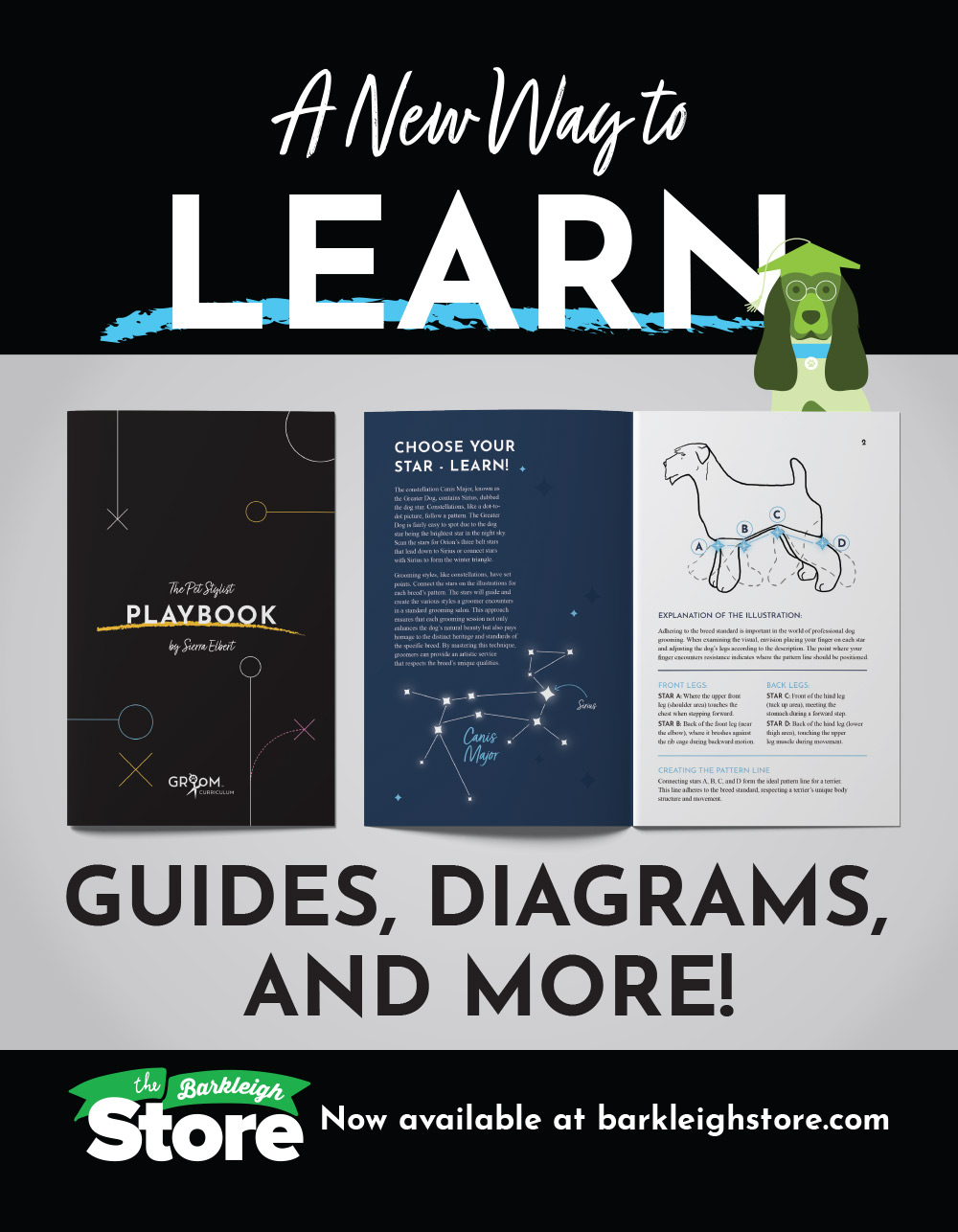
- Barkleigh Store – The Pet Stylist Playbook15
- Barkleigh Store – The Pet Stylist Playbook27
- Barkleigh Store – The Rosetta Bone14
- CashDiscountProgram.com5
- CleanWise23
- Gator Kennels8
- Gyms for Dogs13
- Odorcide9
- Pet Boarding and Daycare Podcast36
- PetLift21
- Wag’n Tails2
Gateway
Ansell











Meet our EDITORIAL ADVISORY BOARD!

DVM, DACVS-SA

Jenifer Chatfield
DVM, Dipl. ACZM, Dipl. ACVPM

CVT

DVM, DACVECC
-
STAFF
- Publisher
Barkleigh Productions, Inc. - President
Todd Shelly - Vice President
Gwen Shelly - Chief Operations Officer
Adam Lohr - Executive Editor
Rebecca Shipman - Art Director
Laura Pennington - Sr. Graphic Designer
Brandi Aurelio - Graphic Designer
Carlee Kubistek - Web Master
Luke Dumberth - Marketing Consultant
Allison Smith - Digital Media
Evan Gummo - Director of Marketing & Client Relations
James Severs - Accounts Manager/ Executive Assistant
Karin Grottola

DVM, CVPM

Midlife Care
for Pets
By Dr. Kelly Fishman, DVM, CVA, CCRT
s another year unfolds, veterinarians are seeing the effects of the COVID-era pet adoption surge. Millions of dogs and cats adopted in 2020 are about to enter midlife—a stage often overlooked in clinical practice.
For dogs under 50 pounds, midlife begins around age 10. For larger breeds, it starts as early as age six or seven. Cats typically enter midlife around age seven, with senior status beginning at nine. While midlife is not a senior, there are early signs of aging that may start to present.
Given the growing population of aging pets, it is imperative to enhance our knowledge and interventions to support our increasingly aging population. This is important because frailty, manifested as difficulty rising, reluctance to go up and down stairs, and slower and shorter stamina for walks, rank among the top causes of euthanasia in dogs, accounting for 64.3% of euthanasia cases in one hospital-based study.1
Strength training exercises to build and maintain muscle are essential in human health care to help address sarcopenia. This principle extends to veterinary medicine, and most veterinarians do not know there are options for dogs beyond a walk.3
Incorporating strength-building exercises like squats, planks or push-ups can help maintain muscle condition and strength. For example, dog squats build pelvic limb muscle and strength. This is ideal for geriatrics, as it builds functional strength, can be done indoors and most dogs are trained to sit. A training schedule for a dog without any pelvic limb orthopedic conditions would be 15 quick sit to stands, repeated two to three times, three times a week. A rest day in between exercise days is ideal.
Swimming and other water-based activities offer low-impact benefits. Balance disks and wobble boards engage core muscles and improve proprioception and coordination. Active stretching or “doga” routines—yoga-inspired movements—can improve flexibility and joint movement. Exercise also has a host of other benefits, from behavioral improvements to supporting cognitive health.4
In a randomized, double-blinded, placebo-controlled study evaluating Fortetropin in geriatric and senior dogs with reduced mobility, supplementation led to mild but statistically significant improvements in mobility scores at weeks six and 12 compared to baseline, suggesting it may enhance mobility and potentially reduce reliance on anti-inflammatories for osteoarthritis.6
We often start joint supplements in mid-life dogs and cats prone to arthritis as a prevention tactic. Given the evidence, Fortetropin can be used for muscle loss prevention as well.
Many senior cats have muscle wasting secondary to chronic kidney disease. There are emerging areas of research showing that Fortetropin may help maintain lean mass with chronic conditions such as kidney disease.7
Nutritional strategies should also include joint-supporting ingredients like green-lipped mussel extract, fish source omega-3 fatty acids and type-2 collagen products shown to provide joint support.
Digestive enzymes and probiotics improve nutrient absorption and reduce diarrhea; two other evidence-based benefits for senior dogs include decreased systemic inflammation and improved immune function.
Veterinarians should encourage pet parents to document these changes and bring videos with them to appointments which can be helpful in screening for canine cognitive dysfunction. Early intervention with exercise, nutrition and environmental adjustments can improve outcomes and delay progression.
It is also important to validate the concerns of pet parents. A dog that no longer plays fetch and is slowing down for walks, or a cat that avoids jumping, may be experiencing more than “aging.” Shifting from reactive care to proactive care means dogs and cats can maintain vitality, mobility, strength and comfort well into their golden years.
- Pugliese, M., Biondi, V., La Maestra, R., Passantino, A. Risk Factors Regarding Dog Euthanasia and Causes of Death at a Veterinary Teaching Hospital in Italy: Preliminary Results. Vet. Sci. 2022, 9, 554. https://doi.org/10.3390/vetsci9100554
- Laflamme DP., Martineau, B., Jone,s W., et al. Effect of age on maintenance energy requirements and apparent digestibility of canine diets [abstract]. Compend Contin Educ Pract Vet 2000;22(Suppl 9A):113.
- Coger, L. The best starting exercise for geriatric patients (and other dogs). Optimum Pet Vitality. https://www.optimumpetvitality.com/learn-go-with-dr-laurie/best-starting-geriatric-exercise
- Frye C, Carr BJ, Lenfest M, Miller A. Canine geriatric rehabilitation: considerations and strategies for assessment, functional scoring, and follow up. Front Vet Sci. 2022;9:842458. Published 2022 Feb 28. doi:10.3389/fvets.2022.842458
- Clinical Studies. Myos Pet. https://myospet.com/pages/clinical-studies
- Hetrick, K., Harkin, K., Roush, J. Evaluation of Fortetropin in geriatric and senior dogs with reduced mobility. Can Vet J. 2022;63(10):1057-1060. PMID: 36185794.
- Jinka, T., Gilor, C. Evaluating the Safety and Tolerability of Fortetropin in Cats. University of Florida College of Veterinary Medicine. https://cdn.shopify.com/s/files/1/0266/4683/9340/files/Fortetropin_-_Feline_Safety_Tolerability_Study_-_05-14-2021_Compatibility_Mode.pdf?v=1677533083
- Kim, J., Lee, H., An, J., et al. Influence of Probiotic Administration in Canine Feed: A Comprehensive Review. Vet. Sci. 2025, 12, 449 https://doi.org/10.3390/vetsci12050449


onflict happens, even in the best of teams. The problem, however, is not necessarily conflict itself but rather how conflict is handled—a task often placed squarely in the hands of the practice manager. To make the process easier, team training sessions about conflict and communication techniques should be conducted, and a roadmap (aka conflict resolution procedure) should be provided for the team to follow.
Teaching the team about conflict can be similar to teaching them about a medical condition. If a client brings in a vomiting dog, does the team start arguing with the client about poor care, neglect or selfish behavior? No, the team resorts to their training about diseases and medical conditions that can cause vomiting, then start gathering the details, creating a list of potential causes, performing an assessment and formulating a plan.
Can the team view conflict in a similar way? Conflict is the symptom, so what is the cause? Discussing a list of conflict sources can help the team when a conflict arises.
Like the vomiting dog, conflict can be the result of several different root causes, including the following:
- Dispute about inequities or preferential treatment
- Competition for resources or battle for supremacy
- Unfilled expectations
- Different personalities or attitudes
- Different goals or priorities, or different methods to achieve goals
- Resistance to change
- Unclear job expectations
- Poor communication
- Poor work habits
- Toxic work environment
- Personal problems
- Differences in perceptions and values (e.g., upbringing, culture, education, socio-economic class, previous experiences, etc.)
Often, though, the nature of the problem is not even considered; instead, people fall into nine common responses that only escalate the level of conflict:1
- Enter into combat mentality (want to see a winner and a loser)
- Oversimplify the problem (because it is too difficult to tackle several issues at once)
- Lack of respect (lack of respect for the other person and perhaps even yourself)
- Lash out or shut down (respond aggressively or rush to smooth things over)
- Thwarting ploys (threats, stonewalling, sarcasm, silent treatment, etc.)
- Hooked and sucked into conflict (found your weak spot, where you are vulnerable and lose control).
- Rehearse a script (play it out in your mind, don’t listen and just recite the rehearsed script)
- Make assumptions about intentions (assume the other person has ill intentions)
- Lose sight of the goal (winning the argument is not the goal; you must have clear, realistic outcomes)
Any of the nine listed responses are not part of an appropriate treatment plan for the conflict and will only make the condition worse. When the cause of the conflict is considered, moving to the next stage of communicating through the problematic situation becomes more manageable.
To quote author Stephen Covey, “Seek first to understand and then to be understood.” Communicating through conflict does not mean speak loudly and have the last word. Educating the team on conflict communication tools gives them what they need to address it instead of avoiding it or escalating it. Present the team a few scenarios and let them explore responses using the following tools:2
- Use “I” instead of “You” to express your feelings (“I understand…,” “I feel…,” “I want…,” etc.)
- Pay attention to body language since 55% of communication is body language (7% is words, 38% is tone of voice)
- Ask questions trying to understand the other person, including how to improve the situation
- Define the problem; do not assume intentions
- Create a follow-up plan
- Validate their feelings (“I’m sorry this hurt you.”)
- Explain the consequences and the benefits of the actions taken
- Explain how the actions conflict with your values or are hurting you or others
Providing a few communication tools empowers the team to first discuss the conflict before going to management to handle everything. This brings up the next essential steps: following a process of dealing with conflict, and knowing when to involve management and what steps can be taken to move through a resolution process.
One document to use is a Conflict Resolution Policy that outlines the following process:
- Have both parties involved complete a standard complaint form and summarize his/her point of view
- Clarify the disagreement and conflicting views (reflect, reframe and listen)
- Describe specific actions each party would like to see the other party take to resolve the differences. (Stop doing, start doing, do more of, do less of, etc.)
- Get a commitment to making changes and monitor follow-through
Other formal policies to create are Anti-harassment and Complaint Procedure, and Code of Ethics and Business Conduct. For a complaint procedure, steps should include:
- Outline the steps to go through the process (as noted above)
- Include the standard complaint form
- Have a statement about guaranteeing protection from being retaliated against
- Be specific about timeframes for processing (e.g., acknowledging complaints within three days of it being filed)
Conflict has a reputation for being negative—impacting productivity, morale and the well-being of pets being cared for. Having a procedure for conflict resolution can help nip negativity in its early stages. It can also turn it into a positive experience by managing the discussion and working toward a resolution. Put the tools in place to effectively handle situations and turn negative conflict into positive growth.
- Faludi, O. (2014, July 9). Difficult Conversations: 9 Common Mistakes. https://www.linkedin.com/pulse/20140710032505-55905022-difficult-conversations-9-common-mistakes/
- Miller, E. Creating a Conflict-Management Plan. Systems Thinker. https://thesystemsthinker.com/creating-a-conflict-management-plan/





Shaping Success for New Veterinary Graduates
or many, the transition from graduation to a thriving veterinary career can feel like stepping into the unknown. From managing real-world patient interactions to navigating the responsibilities of a busy clinic, new graduates often find themselves juggling challenges they couldn’t have fully prepared for in school. This is where mentorship swoops in—and not just as a guide, but as a lifeline.
Mentorship doesn’t just benefit new DVMs learning the ropes; it strengthens the veterinary profession as a whole, fostering collaboration, trust and a nurturing community committed to animal welfare. The following will explore how mentorship is shaping the future for new veterinary professionals and why it matters more than ever.
For mentees, mentorship provides a safety net. They know someone has their back when unexpected challenges arise. For mentors, it fosters legacy-building and reinforces their passion for supporting both animal and human well-being.
1. Bridges the Gap Between School and Practice.
While veterinary schools provide a solid foundation, nothing compares to the hands-on, unpredictable environment of a clinic or hospital. Mentors help new graduates bridge this gap by teaching them to balance clinical expertise with essential, real-world skills like client communication and time management.
Navigating the world of veterinary medicine as a fresh graduate can be overwhelming. Self-doubt, anxiety and the fear of making mistakes are common. A compassionate mentor offers reassurance, serves as a sounding board, and reminds new DVMs that learning and occasional missteps are part of the process. This support system significantly reduces stress and decreases the risk of early burnout.
3. Encourages Clinical Decision-Making.
Every patient is unique, which is why critical thinking is indispensable in veterinary care. Through mentorship, graduates learn to analyze different situations thoughtfully, weigh their options carefully and make informed decisions. Mentors empower them to trust their instincts while remaining open to feedback.
4. Fosters Collaboration Over Competition.
The veterinary industry thrives when professionals collaborate rather than view each other as competitors. A mentorship dynamic fosters teamwork, creating a culture where vets feel comfortable reaching out to others for advice and support, all with the ultimate goal of providing exceptional care.
5. Creates Lifelong Connections.
Mentorship often evolves beyond the workplace, transforming into a long-lasting bond that nurtures career growth. These relationships can open doors to new opportunities—from networking within the wider veterinary community to initiating collaborative research and projects.
- Empathy: They understand that new graduates aren’t just learning to treat animals; they’re also striving to become well-rounded professionals.
- Patience: They provide the time and space for graduates to try, fail and learn without judgment.
- Availability: A mentor doesn’t just appear during weekly check-ins. They’re present and approachable, willing to help when challenges arise.
- Communication Skills: A strong mentor knows when to teach, when to listen and how to deliver constructive feedback in a way that motivates rather than discourages.
- Passion for Teaching: Great mentors are excited to share their knowledge and celebrate their mentee’s growth and achievements.
- Ask Questions: Never hesitate to seek guidance. Every question is an opportunity to learn.
- Be Open to Feedback: Constructive criticism is part of the growth process. View it as a tool that helps refine your skills.
- Set Goals: Work with your mentor to outline clear, achievable professional goals. This ensures your mentorship stays focused and purposeful.
- Express Gratitude: Don’t underestimate the impact of a simple “thank you.” Acknowledging your mentor’s efforts fosters a stronger, more rewarding relationship.
At its core, mentorship is an act of kindness. By supporting one another, the veterinary community strengthens its collective ability to offer patients higher-quality care.
Mentorship is the heart of growth in veterinary medicine. It shapes skilled, confident professionals and builds a compassionate, collaborative community that shares a collective passion for improving animal welfare. If you’re a new graduate, don’t hesitate to reach out for guidance. If you’re an experienced vet, consider mentoring as your opportunity to leave a positive legacy.
Together, through mentoring relationships, we can ensure that every vet thrives—not just for the sake of their career but for the animals and pet parents they’re committed to serving.

Photo by Victoria Elsmore



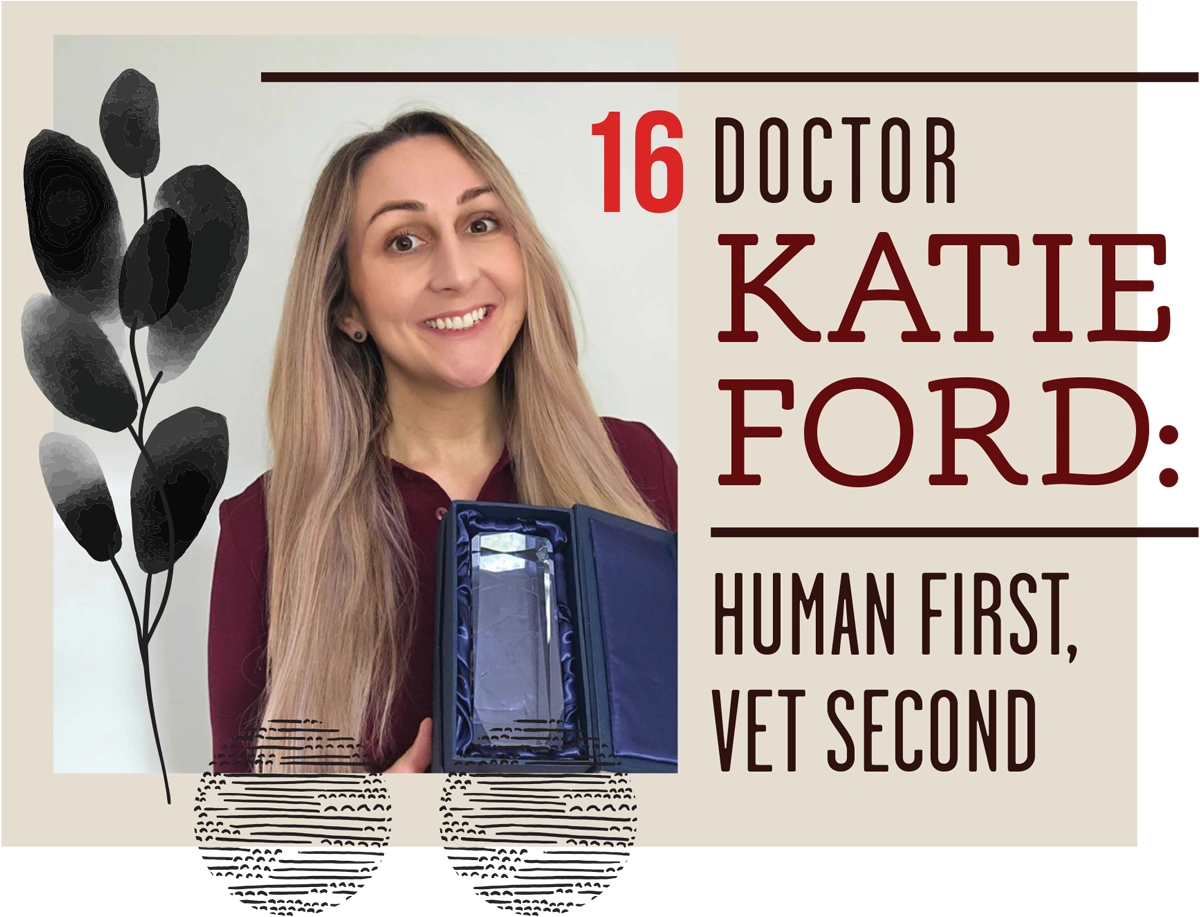
Human First, Vet Second
By Rebecca Shipman
Photos provided by Dr. Katie Ford
hen I went to vet school at Liverpool, I was fascinated—not just by what I was learning for my future patients—but because I wanted to be the very best carer I could be for the animals in my own life too,” shares Dr. Katie Ford, BVSc(Hons), CertAVP(SAM), PGCert MSc, FRCVS and co-founder of Vet Empowered.
“I think I really liked the bonds I could build with clients, as most chronic conditions required me seeing my patients (and their carers) regularly,” she says.

Dr. Ford switched gears to train as a coach and completed a Master’s degree in Emotional Wellbeing. Now, her focus is on supporting other veterinary professionals to create sustainable, rewarding careers and to reconnect with themselves beyond their job titles.

Dr. Ford provided locum relief cover for a variety of practices while she was starting to build her businesses, particularly enjoying emergency shifts where she could quickly see the difference she was making.
Through an unexpected career pivot, though, Dr. Ford switched gears to train as a coach and completed a Master’s degree in Emotional Wellbeing. Now, her focus is on supporting other veterinary professionals to create sustainable, rewarding careers and to reconnect with themselves beyond their job titles.
“In my early years as a vet, I looked ‘successful’ on the outside, but inside I was exhausted, anxious, and constantly questioning myself,” she explains. “After several years of believing the answer was simply to work harder (spoiler: it wasn’t!), seeking support was the turning point—it genuinely changed everything for me.
“For the first time, I realized I wasn’t alone,” continues Dr. Ford, “and that those heavy feelings didn’t mean I was broken. I started to treat myself differently, and my eyes were opened to insights, tools, and support that relit my passion for the profession. I loved being a vet again.”

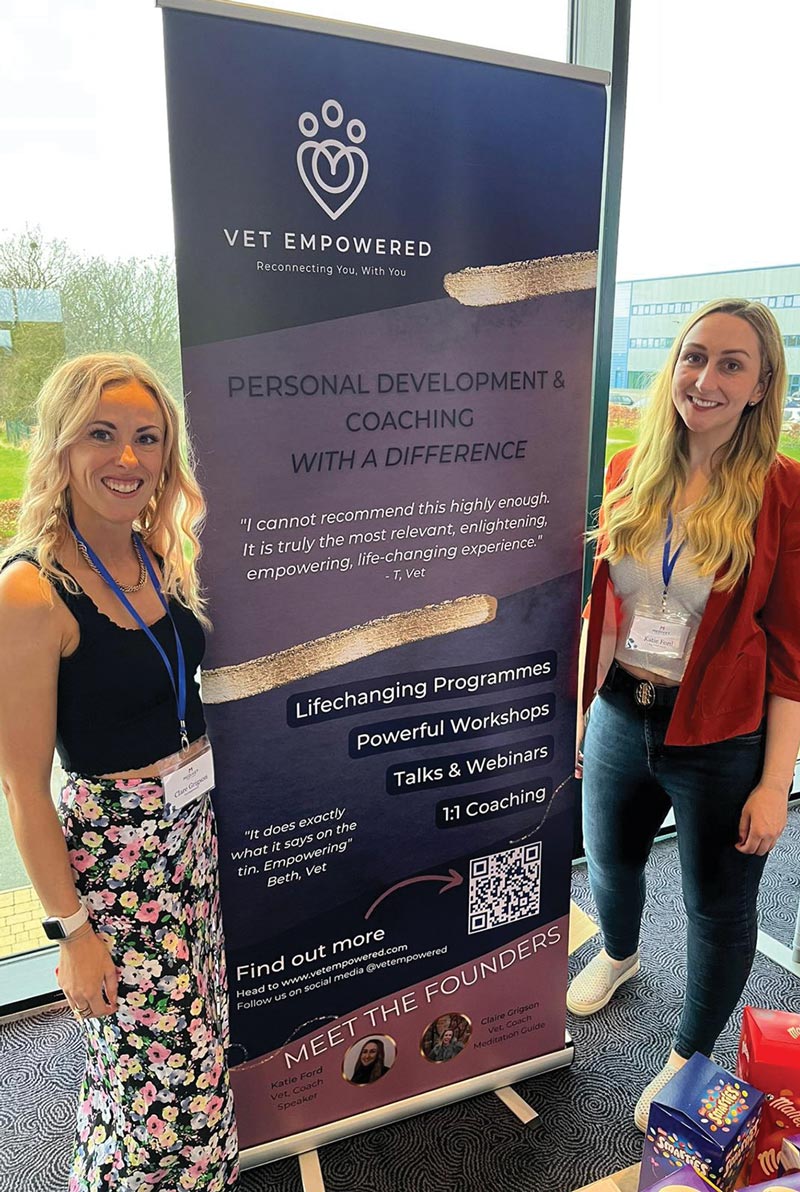

The obvious need for this type of support within the veterinary industry led Dr. Ford to gain additional qualifications to further help others. And after a number of years coaching, Dr. Ford connected with another vet and coach who aligned with her values, Claire Grigson. And in 2020, the two vets created Vet Empowered, a coaching organization designed to be a safe space, where veterinary professionals can be honest, reconnect with themselves and remember they’re human first, vet second.
“Along this path, I have been incredibly fortunate to speak across the world, support thousands of professionals, publish books, contribute to projects, and appear in the press,” Dr. Ford shares. “I would never have predicted this would be my career path, but I wouldn’t change it for the world.”
In addition to co-founding Vet Empowered, Dr. Ford also serves as a director of VetYou, which focuses on financial well-being within the veterinary profession. And in 2023, she was honored to receive the RCVS Inspiration Award, as well as a Fellowship of the Royal College of Veterinary Surgeons for meritorious contributions to the profession in 2025.
But her work doesn’t stop there. Along with coaching, speaking, and writing about well-being and identity in the profession, she’s also contributed to graduate programs, student initiatives and leadership events, creating a positive impact in the veterinary space.
“No two days are alike, which is one of the things I love about what I do,” Dr. Ford says. “Some days I’m delivering a workshop or keynote talk, other days I’m coaching one-to-one, recording content, or connecting with corporate groups.”
Photo by Victoria Elsmore


“The moment when someone realizes they’re not alone and that there’s nothing ‘wrong’ with them is what I enjoy most about what I do,” she expresses. “Seeing people breathe again, find hope, take back their power, and remember their sense of possibility—that never stops being powerful.”
Dr. Ford says she hopes to see continued investment in the human side of the veterinary profession, such as psychological safety, boundaries, identity, financial literacy and emotional well-being.
“We’ve mastered clinical skills, but sustainable careers rely on the personal side too,” she notes. “Veterinary medicine doesn’t have to cost people their health or their joy.”
When it comes to finding her own joy, outside of work Dr. Ford enjoys traveling and getting outdoors, especially mountain biking with her boyfriend. And at home she has two Ragdoll cats who keep her company and never fail to make her smile.
“They’re like little dogs in cat bodies,” she adds.
True to her own advice of remembering that you are so much more than your job title, Dr. Ford also makes space for the rituals that she says keep her grounded, such as journaling, reading or spending time with the people she loves.
“The work we all do is important and meaningful, but your worth doesn’t begin or end with what you do at work,” she shares emphatically.
“You are not a problem to be solved; you are a human being to be supported. If you’re struggling, please know you don’t have to do it alone. Reach out for support, start a conversation with someone you trust to listen to you. You matter far beyond what you do for a living,” concludes Dr. Ford.
For more information on Vet Empowered, visit www.vetempowered.com


By Dr. Randy Aronson, VMD, CCRT, CVA
 lient demand for holistic and preventive care in veterinary medicine has risen significantly in the past two decades. Integrative veterinary practice plays an important role in that, extending beyond treating disease with an emphasis on prevention, quality of life and the strengthening of the human-animal bond.
An integrative veterinary practice can be characterized by the seamless blending of traditional veterinary medicine with complementary therapies. For example, prescribing NSAIDs for osteoarthritis while concurrently offering rehabilitation utilizing underwater treadmill therapy, cold laser therapy, pulsed electromagnetic field therapy and specific home exercises. The emphasis is on individualization of care, tailoring interventions to each patient’s unique history, lifestyle and health status.
Collaborative client relationships are highlighted to help engage pet parents in partnering for their pet’s health management and, ultimately, utilizing multimodal therapies to integrate conventional and complementary treatments for optimal wellness.
Cold class IV laser therapy has been shown to be beneficial in wound healing (photomodulation), treating arthritis, and improving mobility and post-operative recovery. In addition, chiropractic and massage therapy to improve mobility outcomes and diminish pain are often incorporated.
Rehabilitation therapies, such as underwater treadmills, PEMF (pulsed electricomagnetic field) and shockwave therapy utilize sound waves to alleviate pain, strengthen muscles and tendons, improve joint function, and have been more widely accepted in practices.
Medicinal mushrooms, with their beta-glucans and many other compounds, help treat fungal disease by improving immunity and cancer therapy. Ozone, which is labeled as a “toxic gas” but only if inhaled, is antibacterial, antifungal and antiseptic, and is used worldwide to help alleviate various maladies.
Microbiome analysis and treatment have become a mainstay in some practices. With the discovery of dysbiosis contributing to IBD, IBS, colitis, and even small bowel lymphoma, fecal microbiome transfer (FMT) in both direct and capsule forms, along with specific probiotics and prebiotics, have been utilized with great success.
Individualized nutrition, where an emphasis on diets tailored to genetic predispositions, life stage and chronic conditions, is also being seen more frequently. Finally, many veterinarians are utilizing the mind-body connection, helping pet parents recognize the causes of stress, improve their pet’s environment and become better caregivers.
Currently, there are educational gaps in veterinary schools, resulting in little to no training, which necessitates the need for integrative practitioners to seek additional training and competency. This also highlights the importance of establishing standards for consistency in practice, precise client communication about risks and benefits, and building trust and credibility.
Integrative veterinary practice is not a departure from science, but rather an expansion of it. By merging conventional and complementary modalities, veterinarians can better address patient wellness, extend longevity and improve healthspan. As the evidence base grows, integrative approaches are poised to become increasingly central to high-quality veterinary care.


A Holistic Approach
Photos provided by CASCO Pet
istorically, veterinary clinic design has tended to prioritize clinical functionality over environmental comfort. No truer has this been than when it comes to kenneling. Traditionally, kennel setups have been geared towards containment over enhancing the wellness of pets and the veterinary teams who care for them. However, there is growing recognition of the impact of kennels on patient stress and well-being, staff workflow and efficiency, and overall clinic environment.
In an industry known for innovation, kennels are increasingly becoming an important feature of high-quality veterinary care, in step with design and transparency trends. The following will explore the impact of kennel design on patient and staff stress levels, and how environmental factors can assist in creating a more calming atmosphere for better well-being.
Every animal that comes to a clinic has a unique temperament, medical history and treatment requirements. While it might sound obvious, what works well for a sociable Black Labrador will not work for a nervous Maine Coon that values its privacy. Design elements now include species-specific zones; reimagined waiting room spaces; biophilic touches; softer, more natural lighting; calming color palettes1 and targeted noise-reduction measures.
Californian veterinary start-up Modern Animal, for example, handles all client communications through an app to reduce front desk noise, which it credits with lowering patient stress levels. And Canadian veterinary clinic Fen Vet has eliminated waiting rooms entirely so that clients head straight into exam rooms to minimize animal contact.
Additionally, there is the transparency trend with open spaces and glass partitions, removing the traditional divide between front and back of house. This approach is designed not only to improve aesthetics but also visibility and ease of monitoring, fostering better client trust and satisfaction.
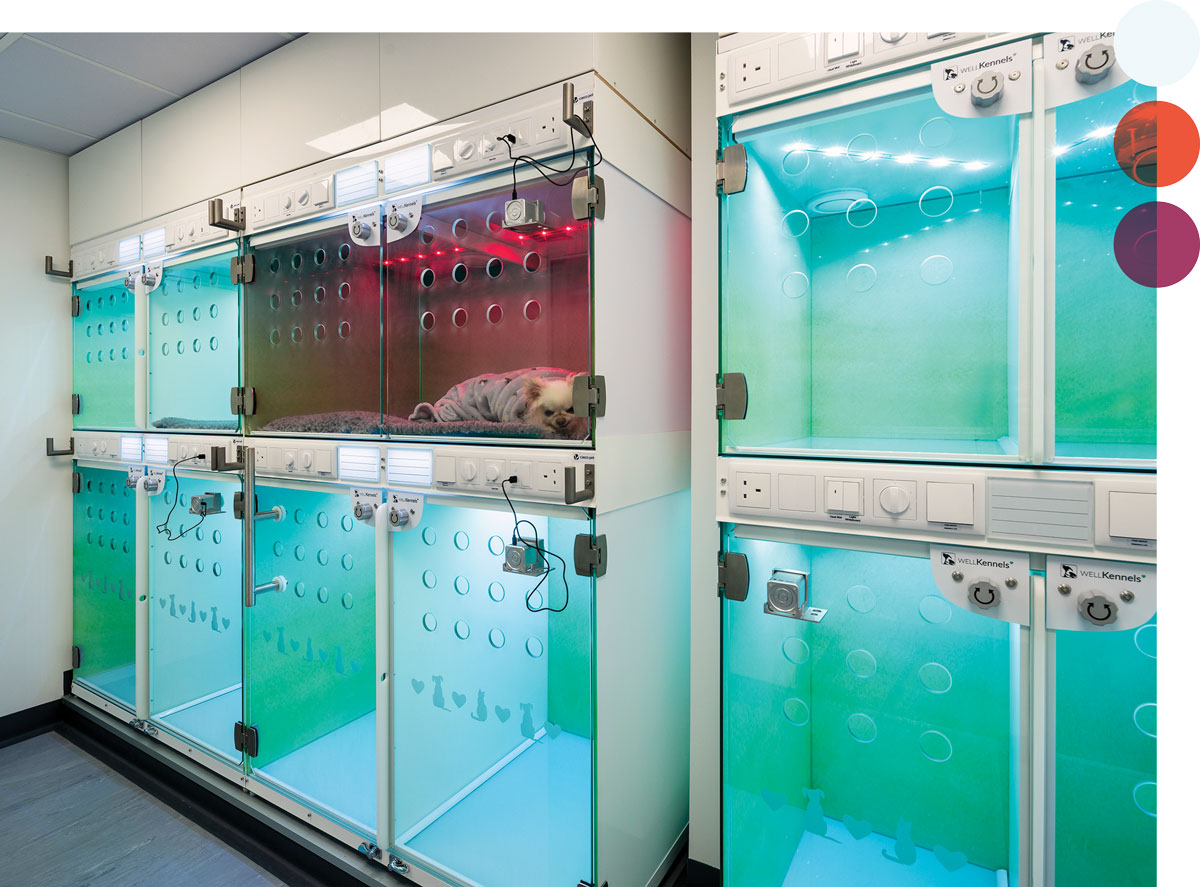
When thoughtfully designed, these spaces can actively reduce stress, support recovery, and improve outcomes for both animals and veterinary teams. However, poor kennel design and layout combined with a lack of enrichment can significantly affect animal well-being.2
There are several factors within conventional kennel environments that can contribute to this. Visual contact with other patients and auditory and olfactory overstimulation can trigger negative psychological and physiological responses, such as high cortisol, increased heart rate and reduced sociability, which can impact an animal’s natural behaviors.2 This can complicate handling during examinations or treatment, raising risk of injury to animal or staff and impeding patient recovery.
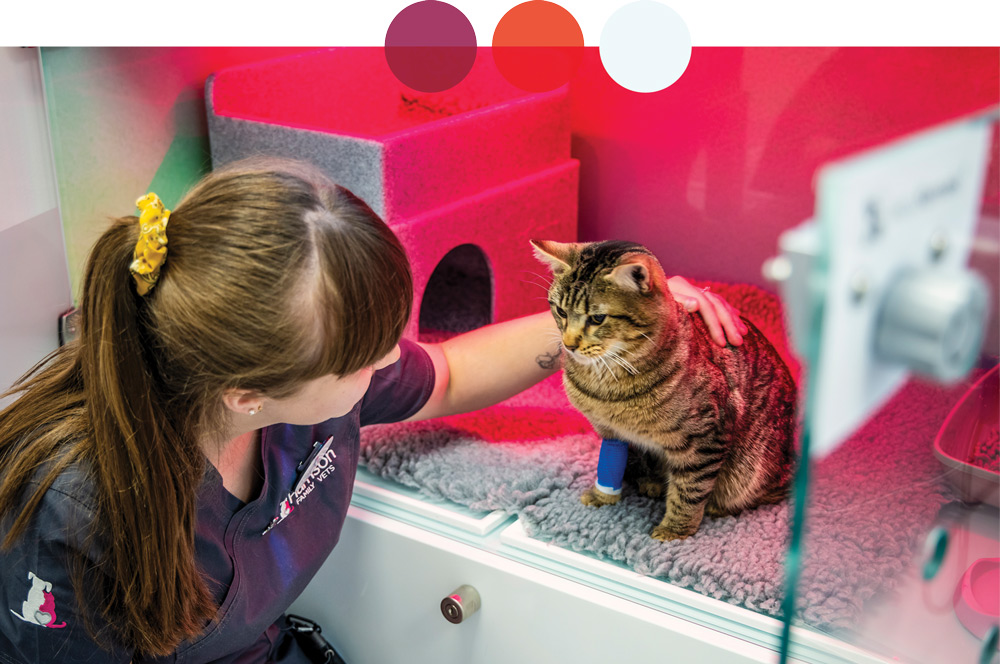
In a separate survey, 75% of veterinary professionals highlighted the “excessive noise” generated by steel kennels as a challenge, with one in five noting it resulted in extended patient recovery time. In some facilities, noise levels from barking dogs and reverberating stainless steel kennels exceed 100 dBA—a level that can be damaging to hearing.3
Traditional steel bars can also be notoriously hard to clean (posing biosafety issues) and often poorly ventilated, inhibiting adequate odor control. Over time, these environmental pressures can reduce operational effectiveness and eat into staff morale.
- Materials
Moving away from traditional steel cages towards acoustic-friendly materials, such as safety glass,4 can help maintain a calmer atmosphere for patients and staff by significantly dampening noise and vibration from barking and tail thumping and eliminating the loud clang of metal. Glass surfaces and doors are also easier to clean and disinfect while serving as effective sneeze barriers—boosting hygiene, reducing airborne infection risks and cutting down on cleaning time, freeing staff to devote more time to patient care. - Airflow
Thoughtful choices in airflow can also help create a sense of safety for animals, especially those in unfamiliar surroundings or vulnerable states. Dogs and cats have a strong sense of smell, which can heighten nervousness. Kennels offering advanced ventilation systems can significantly curtail odors and enable consistent air circulation, diluting airborne infection agents. - Temperature Control
High-tech, patient-focused designs allow for tailored temperature control with built-in heat zones to tailor the kennel environment to the individual care and recovery needs of the patient inside. This allows patients to self-regulate and rest and recover at their ideal comfort point, reducing risk of overheating or other temperature-related issues.
- Lighting
Advances in kennel lighting can improve cleaning protocols. Specialized UV lighting illuminates organic materials to maximize biosecurity while reducing maintenance time. These lighting systems can be tailored to a patient’s needs, with “recovery” red lighting enabling continuous observation without disrupting a patient’s rest. - Modular Systems
Modular, stackable systems have several benefits, too; they can be easily configured to exact requirements, whether for emergencies, isolation or quarantine, affording veterinary clinics the freedom to adjust to almost any situation. - Cabinetry and Storage
Equally important is kennel ward cabinetry and storage. For veterinary teams, well-planned cabinetry that optimizes space and keeps equipment and consumables organized and easily accessible can make a noticeable difference. It helps streamline tasks, optimize workflow and decrease patient disturbance. Small efficiencies like these contribute to a quieter, more organized workspace and a calmer clinic atmosphere.

Ensuring a calmer, more comfortable kennel environment can go a long way to enhancing care and recovery by mitigating stress and improving both patient and personnel experience. Well-rested animals recover faster, staff work more efficiently and clients feel confident in the care provided, strengthening a clinic’s long-term success.
Rethinking the kennel environment is therefore an essential step in aligning veterinary practice with contemporary standards of animal and staff well-being.
- Fear Free Vet Design. Hinge Studio. https://www.hingestudio.net/fearfreevetdesign/
- Lloyd, J. (2017). Minimising Stress for Patients in the Veterinary Hospital: Why It Is Important and What Can Be Done about It. Veterinary Sciences, 4(2), 22. https://doi.org/10.3390/vetsci4020022
- Workload and understaffing ‘leading causes of veterinary burnout’, survey finds. CASCO Pet. https://gk.news/cascopet/press-release/workload-and-understaffing-leading-causes-of-veterinary-burnout-survey-finds/
- Edwards, P., Smith, B., McArthur, M., Hazel, S. (2019). Fearful Fido: Investigating dog experience in the veterinary context in an effort to reduce distress. Applied Animal Behaviour Science. https://doi.org/10.1016/j.applanim.2019.02.009



Turning Unused Veterinary Supplies into

By Keith Loria
Photos provided by Project AnimalAid
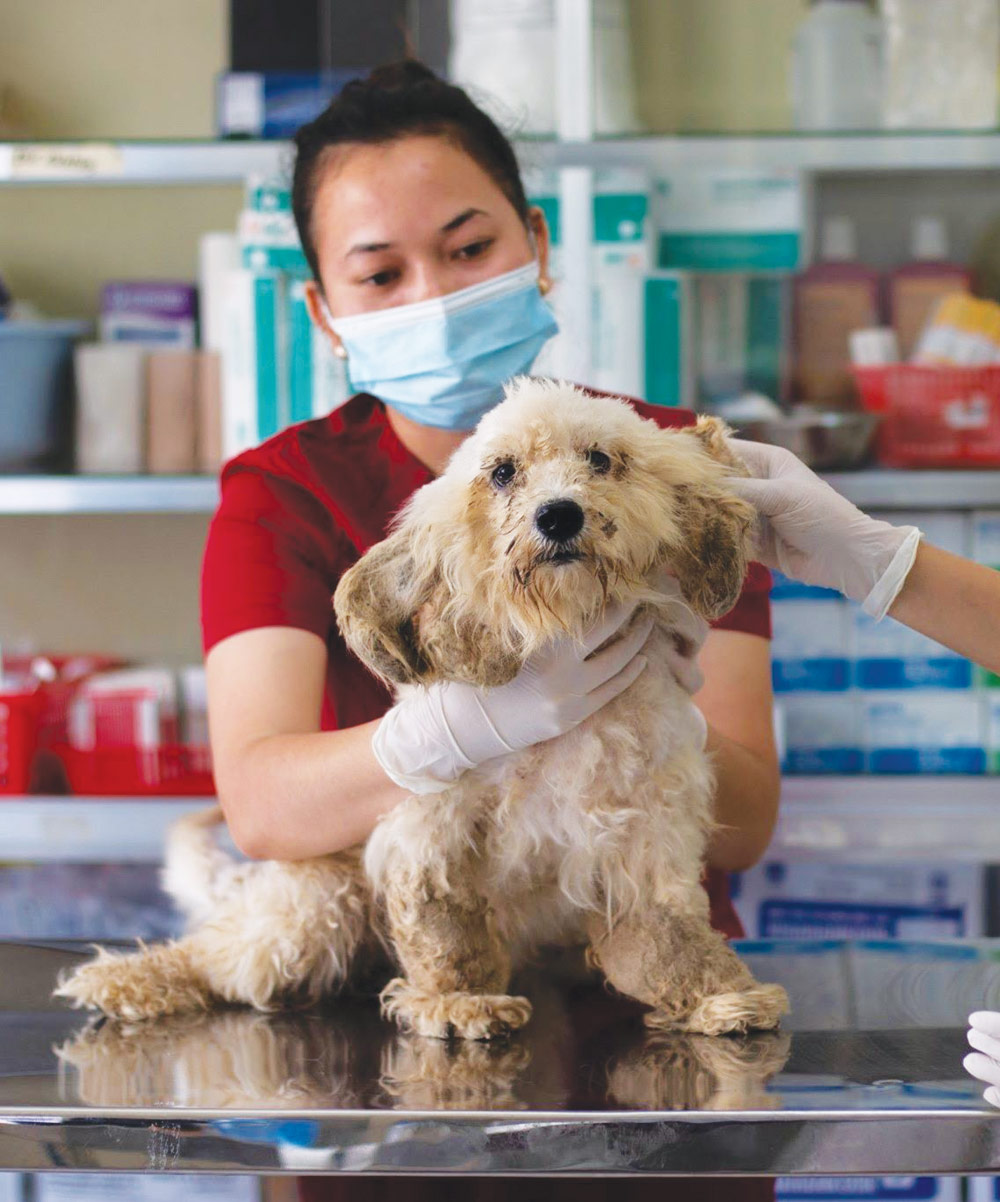
istorically, when a veterinary clinic upgrades its equipment or closes its doors, the remaining items either collect dust or end up in a landfill, as repurposing has never been a big thing in the industry. But thanks to Project AnimalAid, a Boulder, Colorado-based nonprofit, that’s no longer the case, because much of this no-longer-needed equipment and unused supplies become lifelines for animals around the globe. The organization collects everything from syringes and gloves to microscopes and patient monitors, distributing them to animal welfare organizations in more than 40 countries.
“Dr. Candy Brad, our founder, realized that equipment sitting unused in veterinary practices could actually save lives,” shares Meghan Curtis, executive director of Project AnimalAid.
“She realized she might have that equipment gathering dust in her own clinic and offered to send it,” Meghan explains. “That was the start of everything, and her lightbulb moment.”
Originally called Project V.E.T.S., the organization formally became a nonprofit in 2008 with its founding board comprised of Dr. Brad and four other wildlife and animal lovers from Boulder who were committed to ensuring equipment reached veterinarians who truly needed it.
“At the time, veterinary medicine was different,” shares Meghan. “There were more independent practices, and veterinarians invested huge amounts of time and money in their equipment. They didn’t want to throw anything away. Project AnimalAid was designed to give that equipment a second life—helping animals that really need it.”
Today, Project AnimalAid works with more than 120 partner organizations worldwide, ranging from small grassroots groups to larger wildlife sanctuaries.
“Our sweet spot is small to medium-sized organizations,” notes Maya Key, development director for Project AnimalAid. “They’re the ones who have the greatest need for equipment and supplies, and they can make the most impact with the resources we provide.”
Donations come from many sources; it can be a single box of supplies from a family who just lost a pet or pallets of surgical instruments from a corporate veterinary business. For instance, a husband and wife who had just lost their cat to mouth cancer donated a small box of syringes, IV fluid lines and needles, hoping their cat’s supplies could help other animals.


The process of receiving supplies is meticulous, as all incoming donations are sorted, inventoried and curated based on the specific needs of partner organizations.
The process of receiving supplies is meticulous, as all incoming donations are sorted, inventoried and curated based on the specific needs of partner organizations.
“Each partner sends us a list of what they need,” Maya explains. “If they work with wildlife, they might need different supplies than an organization serving donkeys or street dogs.
“We ship three to four times a year,” she continues, “and we always encourage partners to reach out if they have urgent needs between shipments.”
The types of supplies in highest demand are often basic but essential: gloves, syringes, bandaging materials, suture and surgical instruments. Equipment requests include microscopes, patient monitors, IV fluid pumps and more.
“Many of our partners perform surgeries without any monitoring equipment,” shares Maya. “Sending them a patient monitor allows them to provide safer, more comprehensive care than ever before. It’s transformative for them and the animals they treat.”
“We make sure everything works as it should,” Maya assures. “Supplies like syringes or fluids may be slightly expired, which our partners are fine with, but surgical gloves and suture are items we’re stricter on. They can’t fail.”
Project AnimalAid also coordinates facilitated donations for larger equipment that can’t be shipped internationally. For example, a partner in Pennsylvania had an X-ray machine and a CT scanner they no longer needed, so the organization matched them with a local partner who could pick it up.
“Without our program, those items might have gone to a landfill,” Meghan says. “Instead, they’re being used to expand veterinary care in that community.”
The nonprofit recently received its largest donation ever: 17 pallets of surgical instruments from Sklar Instruments in West Chester, Pennsylvania.
“These instruments were set to be incinerated,” explains Meghan. “The value and quantity were incredible, and they will be used by our partner organizations worldwide.


Project AnimalAid’s dual mission focuses on animal welfare and sustainability.
“On average, we keep 10 to 20 tons of usable product out of landfills each year,” notes Meghan. “It’s about making sure resources are used where they’re needed most, while helping the environment.”
The organization has made tangible differences in communities worldwide. One notable success story comes from Tanzania and a vet who works with street dogs, many of which are injured in traffic accidents.
“Before Project AnimalAid, his only options were euthanasia or amputation,” Meghan shares. “We sent him high-quality orthopedic equipment, and a veterinary orthopedic surgeon volunteered to train him. Now, countless dogs in his community have four legs because of this collaboration.”
Looking to the future, Meghan and Maya hope to expand the nonprofit’s reach even further.
Maya adds that the nonprofit also hopes to explore partnerships with pharmaceutical companies to distribute short-gated products and support even more grassroots organizations.
“There’s still so much need, and we want to keep providing resources that allow veterinarians to practice the best medicine possible,” she adds.
From a single lightbulb moment in Africa to a global network of veterinary support, Project AnimalAid continues to turn unused supplies and equipment into life-saving tools, changing the way animals are cared for worldwide.
For more information on Project AnimalAid, visit www.projectanimalaid.org

PETVET TOP 10
SEE HOW MANY YOU CAN DO!


In the month of December, make it a point to educate your clients on what toys and gifts are safe for their pets—and which are not—as they start holiday shopping.




– Dr. Katie Ford,

Thanks for reading our December 2025 / January 2026 issue!