



It Takes a Village:
How Networking Can Improve Patient Care
By Louise Dunn
he appointment book is already filled when the business opens its doors. The phones are ringing; the receptionist squeezes in double-booked appointments and puts others off for a few weeks. There is a growing list of clients wanting answers to their questions.
This may sound like a good problem to have, as being in high demand means the business is successful. However, at the end of the day, after working through lunch to see a few squeezed-in appointments and dealing with a client who was angry about having to wait for two weeks, there are still all those clients to reply to at the close of the day. Wouldn’t it be nice to have a “village” to help relieve some of the pressure?
Well, the idea of having a village may not be as far-fetched as it sounds. A pet professional has expertise in a specific area of pet care, yet many pet parents expect so much more—from having a one-and-done appointment to having all the answers to any question. For example, why can’t the veterinarian groom a matted dog during a vaccine appointment? The needs and wants of a pet parent are endless, which can drain the energy out of any individual.
As a veterinary professional, your passion for providing top-notch care to your clients’ furry companions is undoubtedly unwavering. However, have you ever considered the transformative power of building a network of other professionals in the pet care industry?
By fostering connections with fellow veterinarians, groomers, trainers and other pet-related experts, you can unlock a myriad of benefits that extend beyond your individual business. Building a network of professionals can elevate the quality of pet care offered to clients, among other benefits.
Building a network opens the door to a referral system where professionals can recommend clients to each other based on their specific expertise. For instance, a veterinarian may refer a client to a skilled pet groomer and vice versa. This not only enhances the quality of care, but also strengthens relationships within the industry.
Collaborating with other professionals provides access to diverse perspectives and problem-solving approaches. Whether it’s addressing complex health issues or finding innovative solutions to behavioral concerns, a collaborative network can be a valuable resource for overcoming challenges.
A network of professionals also contributes to building trust and credibility within the industry. Clients are more likely to trust a pet professional who is actively engaged with a network of reputable colleagues. This collective trust enhances the overall reputation of the pet care community.
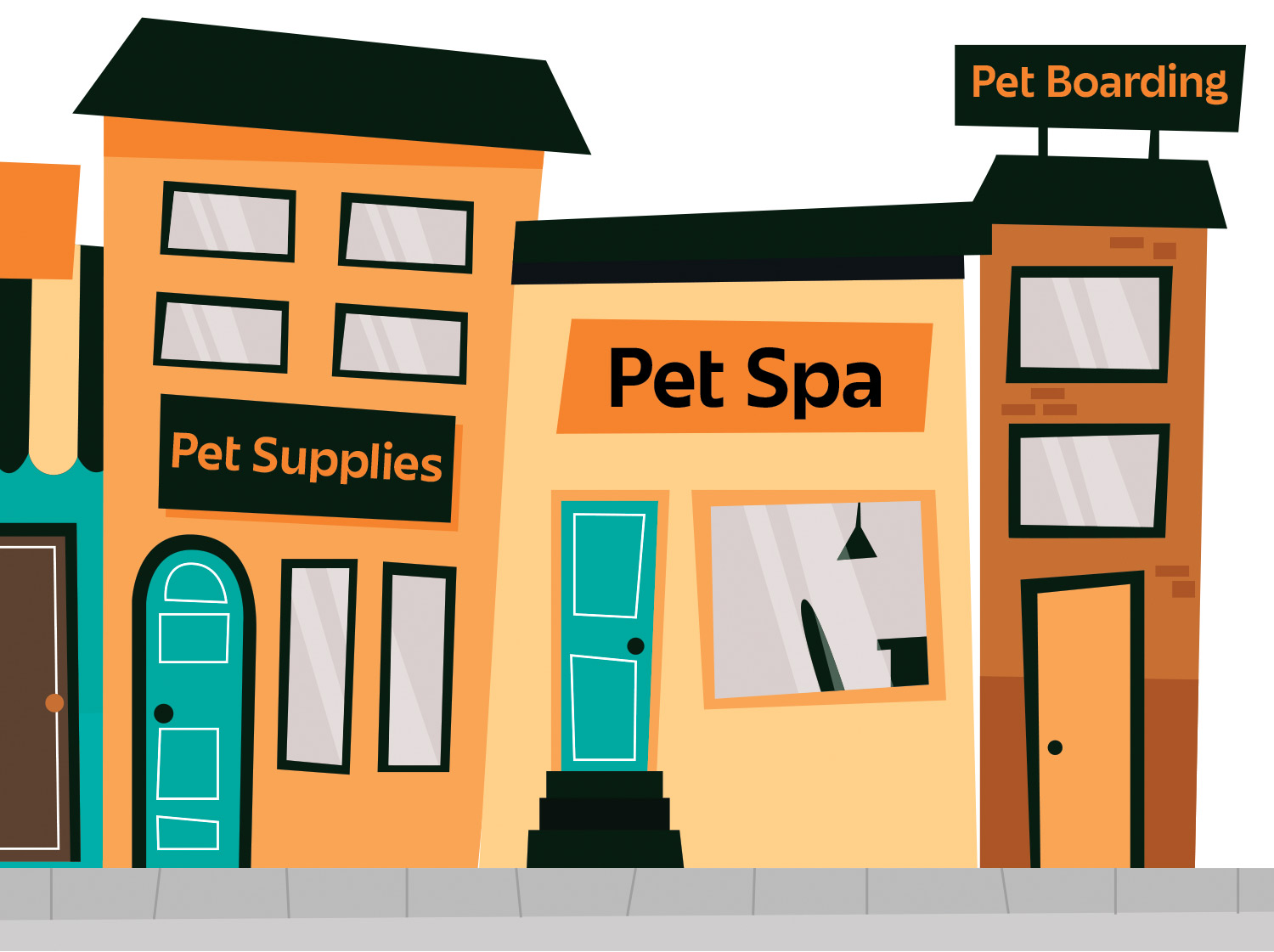
Take a moment to imagine your ideal village. This will differ for every pet business due to location, size, services offered, clientele and status of the current team. Consider the following members as you build your list:
- Veterinarians and specialists
- Groomers
- Boarding and daycare facilities
- Pet sitters and dog walkers
- Pet supply stores
- Pet rescue organizations
- Local businesses (e.g., pet-friendly restaurants and parks)
- Animal behaviorists and trainers
The goal is to establish a diverse network of individuals and groups; however, being aware of potential caveats or challenges is essential. As is true of any relationship, networking relationships are no different. They may experience issues with inconsistencies in reliability, conflicts of interest, miscommunication, confidentiality concerns, unequal contributions within the network, and differences in standards or service quality.
To address these caveats, businesses should establish clear communication channels, set expectations and carefully vet professionals before collaborating. In the ideal village, communication is seamless and connected.
Building relationships with other professionals is crucial for a veterinary professional looking to create a strong network. Here are some strategies to effectively develop and nurture relationships with other professionals in the pet care industry:
- Attend local meetups, conferences, workshops and events related to pet care
- Join professional associations
- Participate in online communities
- Seek opportunities to collaborate on projects
- Support those in your network by referring clients, sharing content on social media or providing testimonials
- Host workshops, webinars or share educational content with your network that showcases your expertise and provides useful information to other professionals
- Host networking events to bring professionals together
- Stay in touch with your network
Building a solid network takes time and consistent effort. Ultimately, the goal of building a network of professionals is to create a positive ecosystem where collaboration, mutual support, and shared values contribute to the success and wellbeing of the entire pet care industry.
For example, Fido has a medical condition requiring the services of a specialist. After initial exams, a telemedicine protocol is established, and all three caregivers—the specialist, the referring veterinarian and the client—can view the patient, discuss treatment plans and implement care in real time rather than spending time traveling, emailing reports and playing phone tag.
Wearable technology can also be a partner in your village. Remote monitoring and video-enabled engagement will facilitate partners such as veterinarians, behaviorists and trainers to assess pet activity, respond to treatment, and even monitor critical health issues. It can also make communication faster and more efficient. Not all villagers need to be humans; there may be merit to adding technology to enhance pet care.
It is time to look at your village and restructure it to best serve pets, clients and business needs. A team is needed to share in the care of pets, and this team, or “village,” may contain any number of professionals and use various technologies to provide exceptional pet care, meet the demands of clients, and improve the business’s efficiency and productivity.
By fostering collaboration, sharing knowledge and building a supportive community, you can position yourself to offer unparalleled care to your clients’ pets. Embrace the power of networking and watch as your business thrives, setting new standards for excellence in pet care. Together, a village can create a community where the wellbeing of every furry friend is elevated through the collective efforts of passionate and dedicated pet professionals.