









Inquiries
info@barkleigh.com
(717) 691-3388
Editorial
rebecca@barkleigh.com
Advertising
james@barkleigh.com


Copyright August 2025. PetVet Magazine is published bimonthly by Barkleigh Productions, Inc, 970 West Trindle Road, Mechanicsburg PA 17055. Postmaster: Send change of address to Pet Vet Magazine c/o Barkleigh Productions, Inc., 970 West Trindle Road, Mechanicsburg PA 17055. No part of this publication may be reproduced without written permission of the publisher. Editorial offices: 970 West Trindle Road, Mechanicsburg PA 17055. (717) 691–3388 FAX (717) 691–3381 Email: info@barkleigh.com
- AnimalsINK11
- Barkleigh Store – Boarding Kennels: The Design Process17
- Barkleigh Store – Boarding Kennels: The Design Process24
- Barkleigh Store – Holistic Pet Grooming27
- Barkleigh Store – Kenn-L-Kards29
- Barkleigh Store – The Pet Stylist Playbook14
- Barkleigh Store – The Rosetta Bone12
- CashDiscountProgram.com5
- CleanWise23
- Gator Kennels21
- Groom Expo35
- Gyms for Dogs7
- Odorcide9
- Pet Boarding and Daycare Expo36
- PetLift13
- SuperZooDigital
- Wag’n Tails2
Gateway
Ansell











Meet our EDITORIAL ADVISORY BOARD!

DVM, DACVS-SA

Jenifer Chatfield
DVM, Dipl. ACZM, Dipl. ACVPM

CVT

DVM, DACVECC
-
STAFF
- Publisher
Barkleigh Productions, Inc. - President
Todd Shelly - Vice President
Gwen Shelly - Chief Operations Officer
Adam Lohr - Executive Editor
Rebecca Shipman - Art Director
Laura Pennington - Sr. Graphic Designer
Brandi Aurelio - Graphic Designer
Carlee Kubistek - Web Master
Luke Dumberth - Marketing Consultant
Allison Smith - Digital Media
Evan Gummo - Director of Marketing & Client Relations
James Severs - Accounts Manager/ Executive Assistant
Karin Grottola - Administrative Assistant
Britany Smith

DVM, CVPM

By Dr. Simona Buoncompagni
he well-being of domestic cats is increasingly threatened by exposure to various toxic substances present in their environment. These substances, ranging from household chemicals to environmental pollutants, pose significant risks to feline health, necessitating a comprehensive understanding of their sources, mechanisms of action and clinical manifestations.
Understanding the sources and effects of poisoning in cats is paramount for responsible pet ownership and preventative veterinary care. The rise in stress-related illnesses among cats, like lower urinary tract disease and obesity-related diabetes, underscores the importance of meeting their specific needs. However, given the close relationship between humans and their pets, cats can serve as sentinels for environmental contamination, mirroring the potential health risks.1
Ethylene glycol, found in antifreeze, is notorious for its sweet taste, which attracts animals but can cause rapid kidney failure. Heavy metals, such as lead and mercury, can contaminate the environment through industrial waste and old paint, also posing a risk to cats who may ingest them through contaminated soil or prey.
Certain plants, including lilies, are extremely poisonous to cats, causing severe kidney damage even with minimal ingestion. In addition, wild mushrooms can pose a threat to cats that spend time outdoors.
Pharmaceutical drugs intended for human use or even for other animals can be dangerous if ingested by cats, highlighting the importance of secure storage. Furthermore, improper use of medications, such as pain relievers like acetaminophen or ibuprofen, can result in severe toxicity in cats.
Neurological signs, such as tremors, seizures and incoordination, are common indicators of poisoning, particularly with insecticides and certain heavy metals. Gastrointestinal upset, including vomiting, diarrhea and loss of appetite, can occur with a wide range of toxins, including household cleaners, toxic plants and certain medications.
Respiratory distress, characterized by rapid or labored breathing, can result from exposure to irritant gases or toxins that affect the respiratory system. Liver damage, indicated by jaundice, abdominal pain and elevated liver enzymes, can be caused by toxins such as acetaminophen and certain types of mushrooms.
Kidney failure, a common consequence of poisoning, can manifest as increased thirst and urination, followed by decreased urine production and lethargy. Metal toxicosis in general has gastrointestinal upset as a common feature of acute toxicosis. Clinical manifestations of poisoning vary widely, necessitating a thorough diagnostic approach.
Diagnosing poisoning in cats often requires a combination of history, physical examination and laboratory testing. A thorough history, including potential exposure to toxins, is crucial in narrowing down the list of possible causes. Physical examination findings can provide valuable clues, but they are often nonspecific.
Laboratory tests, such as bloodwork and urinalysis, can help assess organ function and identify specific toxins. Specific tests, such as blood lead levels or ethylene glycol testing, may be necessary depending on the suspected toxin.
It is important to obtain full details of the poisoning agent. Unfortunately, if there is no accessible or valid laboratory method available to detect the chemical in biologic or environmental specimens, the case will never be confirmed and will remain either in the suspected or probable category.

Using toxicological diagnostics can impact clinical decision making, while supportive care stabilizes the patient and prevents further complications.
Decontamination is a critical first step in many cases of poisoning. Emesis (induced vomiting) can be useful in removing ingested toxins from the stomach, but it is contraindicated in certain situations, such as when the animal is unconscious or has ingested a corrosive substance. Activated charcoal is frequently administered to absorb toxins in the gastrointestinal tract, preventing further absorption into the bloodstream.
Intravenous fluids are administered to maintain hydration, support kidney function and help eliminate toxins from the body. Antidotes are available for certain toxins, such as vitamin K1 for anticoagulant rodenticide poisoning and N-acetylcysteine for acetaminophen toxicity. Antidotes act by four predominant mechanisms: direct action on the toxin, which involves specific and nonspecific binding, and enhanced elimination.
Symptomatic treatment is aimed at controlling specific symptoms, such as seizures, vomiting and pain. Maintaining the balance of electrolytes and acid-base is vital for the stability of poisoned patients.
Chelation therapy has been proven beneficial for some heavy metals, including lead and mercury, and has become the mainstay of treatment for acute poisoning with these metals.4 The decision to treat with antivenom depends on factors such as cytotoxic swelling, active bleeding or symptomatic weakness.
The increasing use of herbal medicine in both humans and animals has introduced phytotoxins as a potential source of poisoning.5 Environmental toxins like snake, wasp and bee venom can also induce toxic effects.
Extracorporeal therapy, which includes hemodialysis, hemoperfusion and therapeutic plasma exchange, is a treatment modality that removes drug or toxin from the blood using an artificial kidney. The use of extracorporeal treatments in veterinary medicine is rapidly expanding, and their use should be strongly considered in cases of severe poisoning.
Early recognition of clinical signs and prompt veterinary care are essential for improving outcomes in feline poisoning cases. In addition, raising public awareness can further reduce the incidence of poisoning and improve the well-being of feline companions.
- Pocar, P., Grieco, V., Aidos, L., & Borromeo, V. (2023). Endocrine-Disrupting Chemicals and Their Effects in Pet Dogs and Cats: An Overview. Animals, 13(3), 378. Multidisciplinary Digital Publishing Institute. https://doi.org/10.3390/ani13030378
- Bertero, A., Rivolta, M., Davanzo, F., & Caloni, F. (2020). Suspected environmental poisoning by drugs, household products and pesticides in domestic animals. Environmental Toxicology and Pharmacology, 80, 103471. https://doi.org/10.1016/j.etap.2020.103471
- Al‐Jelaify, M., & AlHomidah, S. (2021). The Individualized Management Approach for Acute Poisoning. Advances in Pharmacological and Pharmaceutical Sciences, 2021, 1. Hindawi Publishing Corporation. https://doi.org/10.1155/2021/9926682
- Knight, A., Zhou, E. Y., & Francis, M. B. (2015). Development of peptoid-based ligands for the removal of cadmium from biological media. Chemical Science, 6(7), 4042. https://doi.org/10.1039/c5sc00676g
- Nwaji, A. R., Arieri, O., Anyang, A. S., et al. (2022). Natural toxins and One Health: a review. Science in One Health, 1, 100013. Elsevier BV. https://doi.org/10.1016/j.soh.2023.100013


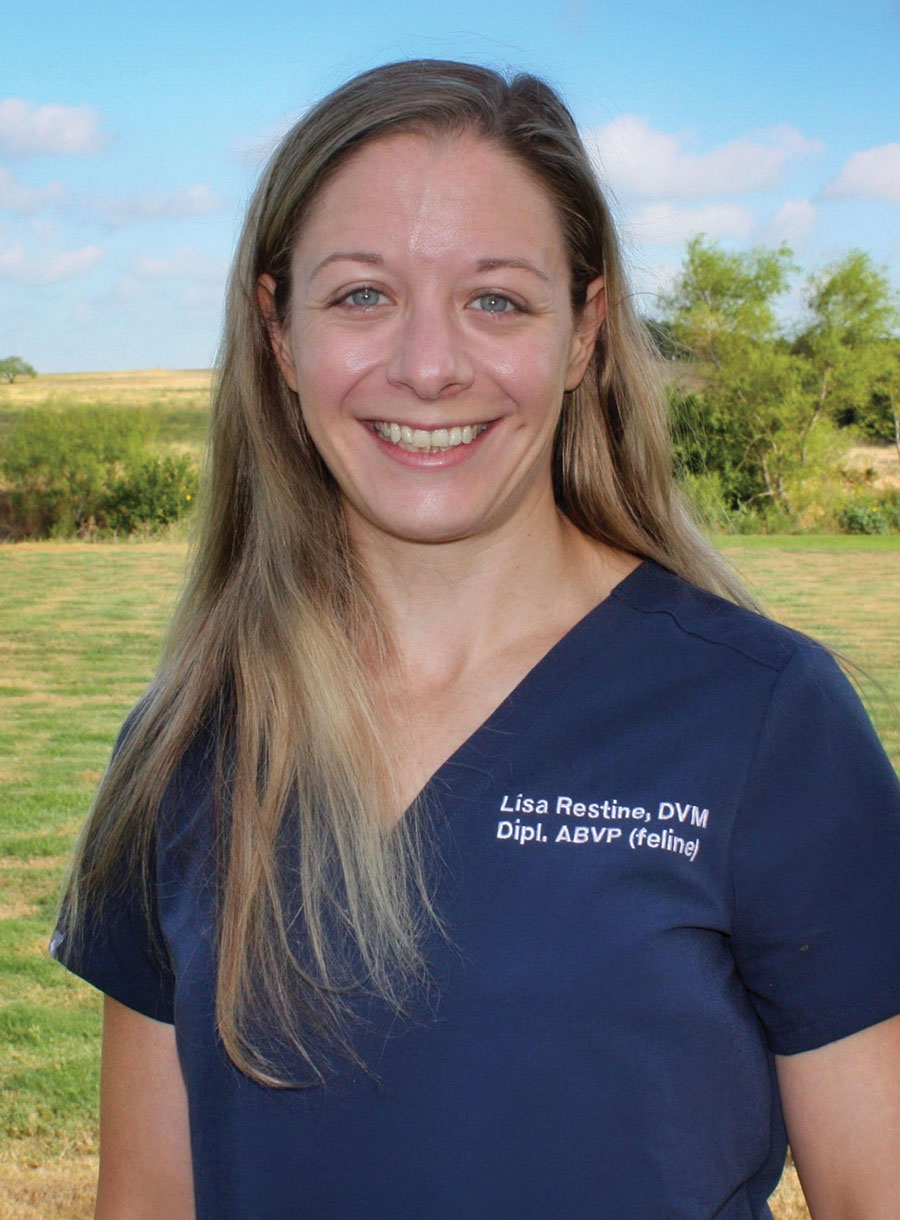
By Dr. Lisa Restine, DVM, DABVP (feline)
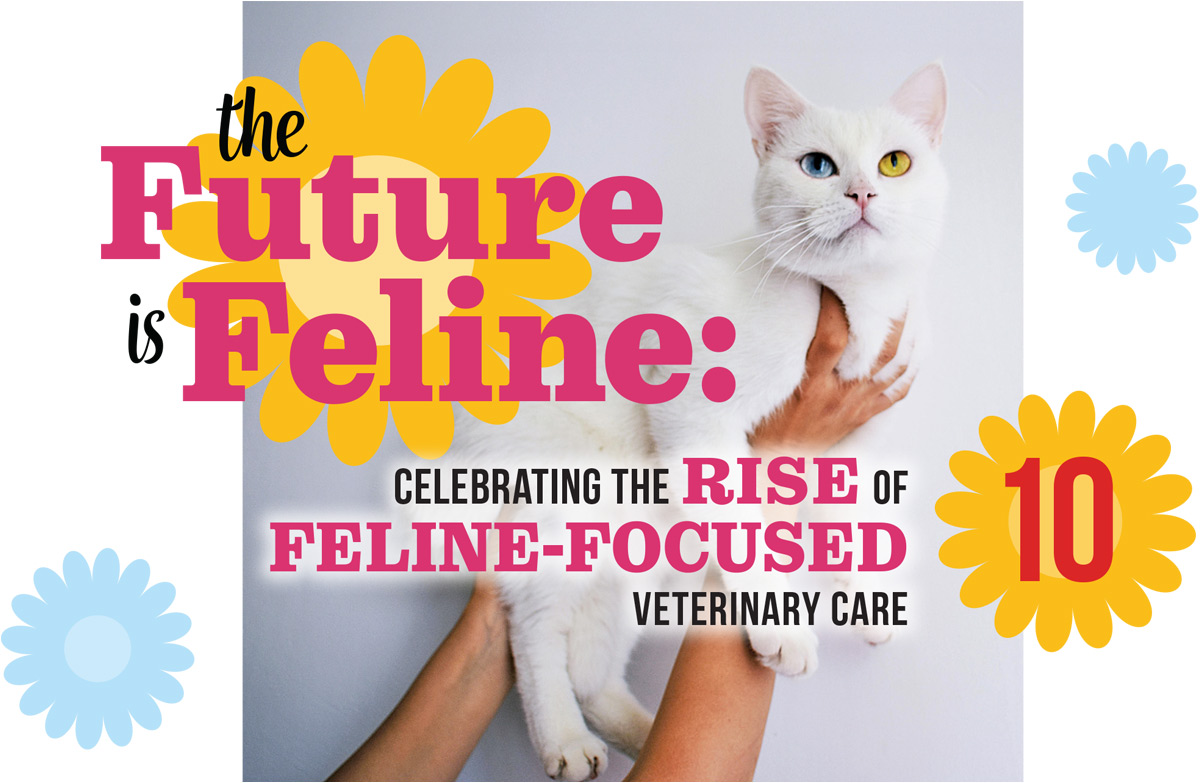
While an estimated 74 million cats reside in U.S. households1, only 40% receive annual veterinary care, compared to 82% of dogs.2
he growing popularity of cats as pets presents unique opportunities and challenges for veterinary practices and veterinarians interested in feline specialization. However, options and treatment advances are breaking down barriers to care, paving the way for a brighter future in feline medicine.
Their natural survival instincts, including heightened awareness of danger and a tendency to conceal illness, are often amplified in the unfamiliar environment of a veterinary practice, triggering fear, frustration and even pain. This stress can induce a range of physiological responses, from changes in leukogram and biochemistry results to elevated cortisol levels and altered behavior, potentially skewing test results and complicating accurate diagnosis.2
So, what steps can be taken to mitigate these stressors and improve the veterinary experience for feline patients?
While practices do not have to be “cat-only” to be “cat-friendly,” the Feline Veterinary Medical Association’s Cat Friendly Practice (CFP) program offers a structured pathway to creating a less stressful environment for feline patients and their caregivers.
Practices or individuals considering these certifications should evaluate the training time and potential benefits of increased client loyalty and revenue. Many cat-friendly strategies are practical and low-cost, such as adapting to the cat’s comfort level and performing the wellness exam on the floor, in the carrier or in the owner’s arms, which can be implemented with a simple staff training session.
The American Animal Hospital Association has 46 AAHA-accredited cat-only practices in the U.S.,3 and the American Board of Veterinary Practitioners (ABVP) Certified Veterinarian program offers another pathway to becoming a recognized feline specialist, with 96 ABVP Feline diplomates recognized at the end of 2024.4
While practices do not have to be “cat-only” to be “cat-friendly,” the Feline Veterinary Medical Association’s Cat Friendly Practice (CFP) program offers a structured pathway to creating a less stressful environment for feline patients and their caregivers. There are currently 880 CFPs certified by the Feline VMA, with another 355 in progress.5
Research published in The Journal of Feline Medicine and Surgery showed that CFP clinics experienced higher mean visits per year per patient, performed diagnostic testing at 12% more clinical visits, generated higher annual revenue per feline patient, had higher instances of patients undergoing bloodwork or urinalysis, and identified a greater number of cats with clinical findings.6
Regardless of the chosen path—CFPs, cat-only clinics or feline specialization—prioritizing the feline patient experience will ultimately break down barriers to care, save lives and educate pet owners, benefiting all stakeholders: the veterinary professional, the practice, the team and the patient.
Non-pharmaceutical strategies are equally important, given the variability of anxiety medication regulations across states. Consider simple, non-medical tactics such as gently wrapping the cat in towels to provide deep-touch pressure and a sense of security. Educating pet parents about what to expect during the visit and maintaining a quiet environment can further enhance the experience, supporting improved compliance and increasing the likelihood of return visits.
Veterinary professionals play a crucial role in promoting feline-specific nutrition guidelines, emphasizing that cats have unique behavioral and nutritional needs.
While veterinary visits typically focus on vital signs such as heart rate, respiratory rate, temperature and pain, a fifth vital sign—nutrition—is also a key component of the feline exam. Veterinary professionals play a crucial role in promoting feline-specific nutrition guidelines, emphasizing that cats have unique behavioral and nutritional needs.
As true carnivores, cats require certain nutrients to be supplemented in their diets. For example, cats lack the ability to convert beta-carotene into vitamin A and require dietary taurine supplementation, which is not necessary in canine diets. It’s also important to consider life stage, with kittens and nursing mothers requiring more fat, protein and nutrient-dense foods, while senior cats may benefit from reduced fat intake to maintain a healthy weight.8
In terms of feeding behavior, cats tend to prefer grazing—consuming 10-20 small meals throughout the day if given the option—whereas most adult dogs prefer meal feeding. By prioritizing nutrition and understanding the unique needs of feline patients, veterinary professionals can provide more comprehensive and effective care.
The future of the field hinges on continued research and learning, especially in cutting-edge advancements in feline medicine, and on the growing number of feline specialists who are dedicated to obtaining global certifications and advancing the standard of care.
By embracing these opportunities, veterinary professionals can not only improve the lives of their feline patients, but also inspire and mentor future generations of veterinarians, ensuring that all cats receive the comprehensive and compassionate care they deserve.
- “U.S. Pet Ownership Statistics.” (2024). American Veterinary Medical Association. https://www.avma.org/resources-tools/reports-statistics/us-pet-ownership-statistics
- “World of the Cat Report 2025.” (2025). Hill’s Pet Nutrition. https://na.hillsvna.com/en_US/resources-2/view/244
- Singler, E. (2023, August). “The Cat-Only Practice.” AAHA Trends, https://www.aaha.org/trends-magazine/august-2023/f2-the-cat-only-practice/
- “Find a specialist.” (2024). American Board of Veterinary Practitioners. https://abvp.com/
- “Cat Friendly Practice® Program.” (2025). https://catvets.com/cat-friendly/cfp/
- St Denis K, Saffire A, Michael H, et. al. (2023). Cat Friendly Practice improves feline visits, resulting in increased laboratory testing and increased diagnosis of certain common feline conditions. Journal of Feline Medicine and Surgery. 2023;25(11). doi:10.1177/1098612X231204199
- Lamminen T, Doedée A, Hyttilä-Hopponen M, Kaskinoro, J. (2022). Pharmacokinetics of single and repeated oral doses of pregabalin oral solution formulation in cats. Journal of Veterinary Pharmacology and Therapeutics, 45, 385–391. https://doi.org/10.1111/jvp.13061
- “How to Choose the Right Cat Nutrition for Your Cat.” (2017). Hill’s Pet Nutrition. https://www.hillspet.com/cat-care/nutrition-feeding/choosing-the-right-cat-nutrition
You have a thriving business with plenty of pet parents who trust you with the care of their furry family members. Do you still need to market your business in your local community? The answer is yes! With today’s changing technology, you can’t afford to get left behind.
Every day we hear about AI—a tool that every veterinarian needs to take advantage of. Business growth advisor and founder of Pet Pro Media, Jolanta Smulski, helps many veterinarians incorporate AI into their practices and develop systems to run more efficiently. She believes more veterinarians should jump on the AI bandwagon, as it is critical in securing new customers.
“AI has made marketing and amplifying your message much more scalable while still resonating with your clients,” Jolanta explains. “It understands the nuances based on the information you give it, and then it creates content accordingly for potential customers.”
She goes on to say that anyone can make this technology work for their business, especially since it’s free and easy to use. And that vets in particular should treat AI as a creative and strategic marketing partner.
While AI is currently all the rage, many marketers believe you can’t forget about the traditional tactics, which are necessary for any business. Matt Aldrich, founder and CEO of Pet Engine Marketing, says local marketing is all about connection and community.
“A high standard of care is the baseline,” Matt states, “but what sets high-functioning vet clinics apart is how well they communicate that care. Pet business owners need to stop thinking of marketing as promoting your practice, but rather, start thinking of it as promoting your high level of care.”
He also says that Google Yelp reviews are still the best way to showcase your level of care to a potential client. “The most successful vets we work with bring in fresh reviews from pet parents each week,” Matt adds. “These reviews don’t just boost visibility, but help build trust and support word-of-mouth referrals.”
Matt also believes SEO is critical for a local business, noting that when people search for “vet near me” or “emergency pet care,” they seek immediate assistance, not a blog post. “Local SEO helps you show up on Google Maps and rank in organic listings,” he further explains. “It helps you get discovered at the exact moment a person needs help.”

“If it’s outdated, slow, doesn’t show up on Google, doesn’t work on a mobile phone, or doesn’t make it easy to schedule an appointment, then your website is doing your business no favors,” Matt adds.
Google regularly reads updates on your website and knows when you make a change, which helps you improve your ranking on the worldwide web. That’s why updating your website on a regular basis is a necessity—not something you do occasionally.
If you watch cat videos on Instagram or TikTok, you may be familiar with Cincinnati-based veterinarian Matthew McGlasson. Every day, millions of cat lovers adore his funny videos, which feature him rating parts of cats, like their “toe beans” and noses, on a cuteness scale of one to 100. The posts have gone viral and are so popular, he just released a book based on his rating scale called How to Rate a Cat.
Matthew’s venture into social media came as a result of his daughter starting a page for him back in 2020. “I realized when it comes to education and marketing, if you make a great video, you can promote the animal-human bond,” he shares. “But if the video is boring, you miss out on an opportunity to educate. I really just wanted to use social media as a way to build trust with my patients.”
Now as a veterinary student mentor through Mission Veterinary Partners, Matthew believes making creative, goofy content is a great marketing tool for all pet service providers, and he strongly recommends business owners put themselves out there. “You’re missing out on opportunities if you don’t get on social media,” he advises. “Silliness can work in building trust with your patients or clients. It shows your personality and creativity.”
No matter what method you choose to promote your veterinary practice, know that the options in which we have available to market ourselves will never remain the same. “We are at the beginning of a technological era that is going to transform many industries, both in the way we operate our business and the way consumers behave,” Jolanta expresses. “By being an early adopter, you generally see success faster and adapt easier as things change.”
Matt Aldrich agrees and adds: “Pet parents don’t expect perfection, they want to feel safe, supported, and heard. The smartest way you can market your veterinary practice is to promote the trust and compassion you already provide every day.”



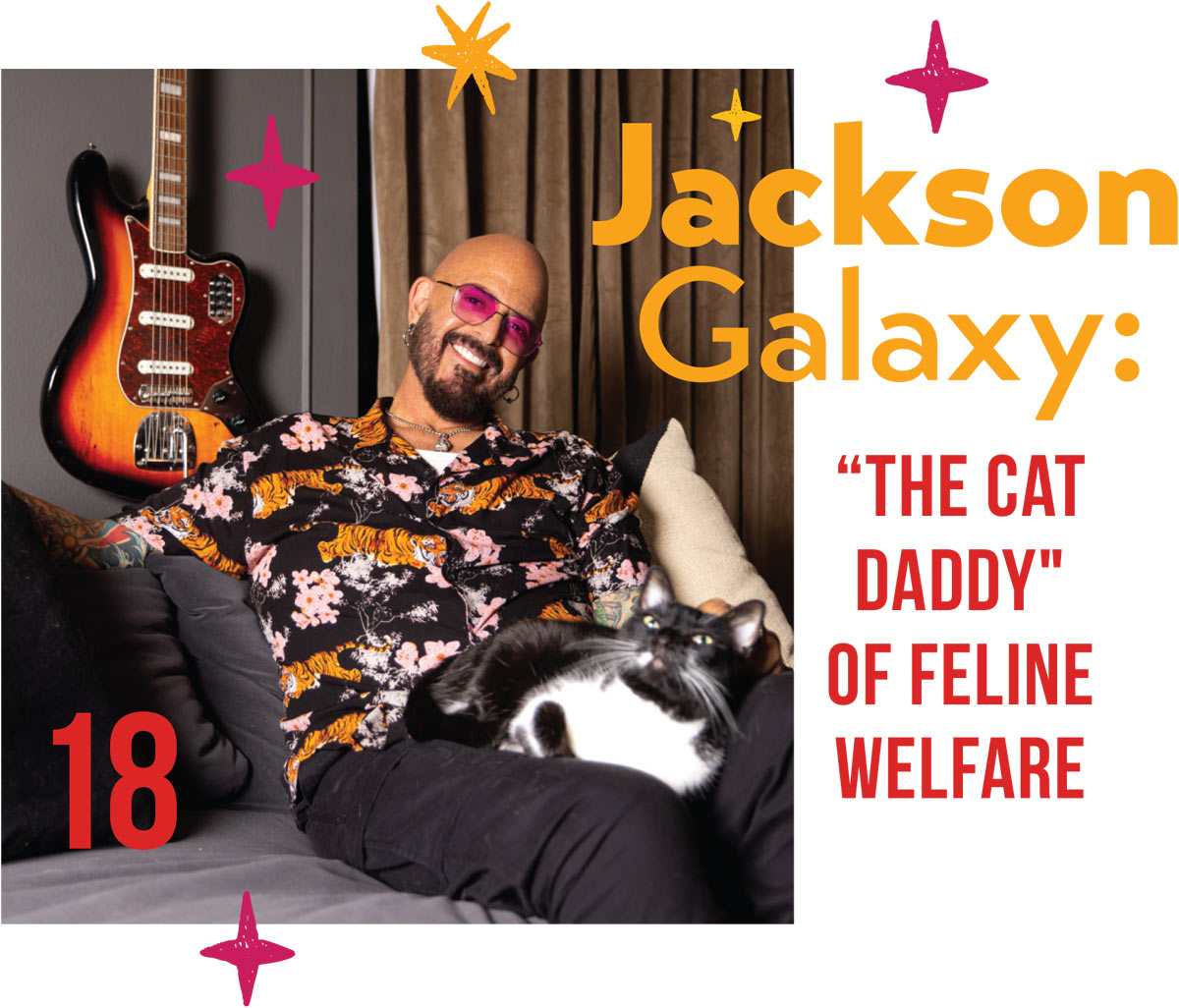
“The Cat Daddy”
of Feline Welfare
By Rebecca Shipman
Photos provided by Jackson Galaxy
didn’t have my first cat until I was in my 20s,” states cat behaviorist Jackson Galaxy. “My whole history with cats is my history with animal sheltering. I was a musician living in Boulder, Colorado and I stumbled into a job opening at the Humane Society of Boulder Valley.
“After just a few weeks, I knew that I was kind of home,” he continues. “I was the person who wanted to make a career out of it. I was there for 10 years, but it wasn’t long after I started that everyone seemed to notice that the cats were just ‘attracted’ to me, for lack of a better word.”
Coined as “The Cat Daddy,” Jackson is most well-known from his years hosting the popular reality TV series My Cat From Hell, but he is also an author, content producer and a retailer of cat products on his website, jacksongalaxy.com. Above all, though, he is an advocate for the feline species.
“I always say euthanasia is the mother of invention,” Jackson notes. “We were killing a lot of cats at the shelter, and it came down to what I saw had to be solvable. I took it upon myself to learn whatever I could and put that to work every day.”
With not a lot of information available in the early 90s on cat behavior, Jackson took to learning what he could from the limited publications available, dog trainers and personal experience.
In addition to his dedication to learning everything he could about cat behavior, he was also fortunate enough to have a boss who was willing to help facilitate his commitment.
“I went to her and said, ‘Listen we’re just taking in too many cats, and if people call in to surrender, I should be able to go out to their homes and help them out,’” Jackson shares. “And then that turned into my career.”
Despite all of his success and fame as a TV personality, Jackson has never stopped working with shelters, and says that it is still around half of what he focuses his time on.
“I’ve brought a lot of programs into a lot of shelters and tried to fulfill the promise I had made to myself back then,” he states. “If I ever had the opportunity to bring this to a wider audience, I would always do it.”

“The more I teach shelter and rescue people and foster parents, the more the word gets spread throughout the community, which just comes down to hours of the day,” he explains. “So I will spend the day doing shelter work, working on my new book, making content, and running a business.”
It goes without saying that Jackson considers veterinarians to be a very important part of caring for the cat population.
“I think the one thing that [veterinarians] should have is a really holistic relationship with the community,” he suggests. “Meaning that you have a relationship with the shelters or rescues in the area, with the TNR groups, with trustworthy behavior consultants, and pet sitters. This is key because not one sector of the community can be responsible for keeping cats out of shelters.
“People come to me for, let’s just say, a litter box issue,” continues Jackson. “I tell them to go to the vet to rule out anything physical first. And if it’s not physical, it shouldn’t be expected that the veterinarian take them through all of the vagaries of litter boxes issues. There are professionals for that.”
“I think cats have always come in second in terms of knowledge to support the sort of subtleties around who they are,” he shares. “And when you compare the amount of guardians who take their cats to the vet for exams versus dog guardians, it’s not even close. I think the core reason behind that is, from my perspective, that cat guardians feel like they’re torturing their animal in order to bring them.”
Jackson says these issues can be addressed on two different fronts. One is to change how cats and their guardians relate to cat carriers so that it’s not a traumatizing event for both parties every time they need to go somewhere.
“Teach your clients how to have a better relationship with a cat carrier and provide them with solid tips on how to do it proactively,” he advises. “Ask the questions, ‘Do you have a really fearful cat? How do they normally do in the carrier?’ And then maybe recommend a single dose of something to help them function better when while being examined.”
The second aspect of facilitating a less stressful vet visit, he says, is about creating a calmer environment. Jackson recommends focusing on the least amount of exposure to dogs possible and getting the cats into quieter rooms where they can move around and aren’t restricted to just a carrier or a table.

In addition to making the practice environment more inclusive for cats, Jackson stresses the importance of educating pet owners on spay/neuter.
“Don’t assume that people know,” he states. “The education—or lack thereof—about population control coincides with the economic realities. Think of Bob Barker back in the 70s, asking people to please spay and neuter their pets. We’re still having to spread that message in a very real way.”
With all of his past and present work with shelters and TNR, Jackson highlights the struggle of finding vets to do the surgeries, saying any chance that anyone who has the skills to be able to volunteer or offer low-cost spay/neuter services right now is a huge need.
“It’s not an exaggeration or hyperbole to say that we are in critical nature in terms of not being able to keep up with the demand,” he states. “We’re burying the next generation of animal welfare workers in those animals.
“We’re all insanely busy. We all work too much. But there’s trouble on the horizon. We have a responsibility to take care of the cats. It’s on us,” concludes Jackson.


What’s New in Treating
the Most Common Diseases in Senior Cats
By Kathryn Primm, DVM, CVPM
s cats age, they face an increasing risk of chronic illness. Senior cats, typically those over 10 years old, often develop multiple concurrent diseases that require a nuanced and proactive approach to diagnosis and treatment. Fortunately, advances in veterinary medicine have provided new tools to detect these conditions earlier and treat them more effectively.
The following will review the most common diseases in geriatric cats and explore the current advances in their management, equipping veterinary professionals with the latest tools to improve outcomes and quality of life for their feline patients.

Disease (CKD)
Some believe that cats are more likely than other species to be affected by chronic renal disease because of their unique physiology which makes them vulnerable to toxic nephron insult, their lack of “spare” nephrons and their link to desert-dwelling ancestors, who evolved their kidneys to be good at filtering water by making them work very hard. Throw in the fact that our domestic felines live much longer than their wild counterparts, and the diagnosis seems less surprising.
Phosphorus management is another important strategy in these cases. An FGF 23 test is available as an early marker of phosphorus overload. Dr. Acierno stresses the value of IRIS (International Renal Interest Society).1
Chronic renal disease leads to anemia in many CKD patients. In the past, erythropoietin was the primary tool used to manage this condition; however, there were limitations with long-term use of erythropoietin because of antibody production.
Now we have Varensin-CA1 (molidustat), a conditionally approved treatment for non-regenerative anemia for CKD patients. Molidustat stimulates a cat’s own erythropoietin production and is available in an oral suspension.
Intestinal dysbiosis is believed to be a contributor to CKD. As CKD progresses, the diversity of the GI microbiome collapses, leaving bacteria that can produce toxins to be absorbed in the colon and damage the kidneys. Dr. Acierno feels that prebiotics, probiotics and absorbents can play a role in management of CKD. He says Porus One is an intestinal binder that can help bind and remove these uremic toxins from the GI tract and is fairly well-tolerated.
These are not all the strategies that could help CKD patients live longer and better lives, and there are ongoing studies that may yield even more.

What’s New?
Radioiodine therapy (I-131) continues to be the gold standard, offering a potential cure. Recent protocol improvements have reduced hospitalization time, making the procedure more accessible; however, this treatment is still costly. Because this treatment is an injection, it reduces stress on the cat compared to surgical interventions.
Dietary management using iodine-restricted food is only effective when it is the sole food available to the patients. It is important to remember that even a single lapse can render this therapy ineffective; therefore, it may not be a suitable choice in all circumstances.
Surgical thyroidectomy has also seen improvements in technique, reducing risks of hypoparathyroidism and recurrence.
You will see that effective client education helps owners sift through all the options to find what is best for their own hyperthyroid cat.

What’s New?
According to Kirsty Oliver, VN, DipAVN (Surgical), CVT, CCRP, CVPP, cats can benefit dramatically from physical therapy and, sometimes, it is just a matter of creativity to get cats engaged in the exercises. Do not rule out the idea that a feline patient could respond to PT.
Solensia® (frunevetmab), a monoclonal antibody against nerve growth factor (NGF), represents a breakthrough in feline OA treatment. It offers monthly injections that may reduce pain and improve mobility. Opinions are mixed on this therapy, but it is a tool in the toolbox for managing feline pain.
As our awareness and knowledge about pain in cats grows, more tools come to light to help us manage it, including the American Animal Hospital Association’s “Pain Management Guidelines.”2

Mellitus
Continuous glucose monitors have also allowed owners more direct access to monitoring pets’ blood glucose readings. These devices can be placed on the skin of the cat, providing glucose measurements from the interstitial space which closely correlates the traditional blood glucose measurements. Stress is decreased for the cat by not having repeated blood draws, and the values are readily available for the vet team and owners.
Nutritional therapy plays a critical role, with high-protein, low-carbohydrate diets being shown to support remission. Alongside dietary management, intensive early insulin therapy is linked to increased rates of remission, particularly when initiated promptly after diagnosis.
Owner compliance (and cat compliance) still impact care, but these tools have made management easier.

In addition, advanced anesthetic protocols tailored for senior patients improve safety during dental procedures. And the use of regional nerve blocks enhances intra- and postoperative pain management, contributing to faster recovery and better quality of life.
Jan Bellows, DVM, DIPL, AVDC, ABVP, says that tooth resorption is specifically common in older cats and recommends we all teach our senior cat owners to apply a cotton-tipped applicator to the gums of their cats and if it seems to be painful, it is imperative to alert the veterinary team. He also emphasizes that any oral mass should be thoroughly investigated in these patients.
We should emphasize that owners of senior cats be not only aware of the possibility of dental pain in their cats, but also consider using some of the at-home care products that have been evaluated by Veterinary Oral Health Council (VOHC).3

Advanced imaging modalities (CT, MRI and contrast-enhanced ultrasound) are also improving, allowing for enhanced tumor localization, staging and surgical planning.
Craig Clifford, DVM, MS, DACVIM (oncology), cautions that each oncology patient should receive more standard database diagnostics before they are referred. He says, “These are veterinary tests, not oncology tests.”
Dr. Clifford also says that there are exciting developments on the horizon for cats in oncology. A study has been conducted on the use of Solensia® in managing pain associated with oral squamous cell carcinoma. He also mentioned that there is testing from a company called Imprimed that can advise clinicians which chemotherapeutic regimen will be most effective for an individual patient with feline lymphoma.
The future for treating and managing cancer patients grows brighter each day.
As veterinary medicine continues to evolve, so too do our capabilities in managing chronic disease in senior cats. From earlier detection tools and innovative pharmaceuticals to refined surgical techniques and quality-of-life assessments, today’s veterinary professionals are better equipped than ever to support aging feline patients.
Ongoing education, client communication, and individualized care plans remain the foundation for improving longevity and well-being in senior cats. Staying informed about these advances ensures that we can provide compassionate, state-of-the-art care to our most vulnerable feline companions.
- International Renal Interest Society (IRIS). https://www.iris-kidney.com/
- 2022 AAHA Pain Management Guidelines for Dogs and Cats. American Animal Hospital Association. https://www.aaha.org/resources/2022-aaha-pain-management-guidelines-for-dogs-and-cats/
- Veterinary Oral Health Council (VOHC). https://vohc.org/



ADVANCING FELINE HEALTH THROUGH COMMUNITY SCIENCE
By Claire Hendershot
Photos provided by Darwin’s Ark
 ats are cherished companions in more than 40 million U.S. households,1 yet scientists understand surprisingly little about feline biology, behavior and genetics. This lack of foundational knowledge limits the information and tools veterinarians have to diagnose and treat their feline patients.
Fortunately, Darwin’s Ark, a community science nonprofit, is working to change that with its ambitious research initiative, Darwin’s Cats. In partnership with scientists at UMass Chan Medical School and the Broad Institute,2 Darwin’s Cats is building the most comprehensive feline dataset ever assembled to accelerate research on cat genetics and health.
This deficit in scientific research is particularly obstructive to understanding how genetics influences cat behavior and health. Without robust phenotypic and genotypic data, it’s difficult to identify risk factors for common feline diseases, much less develop targeted diagnostics or treatments.
These challenges are then exacerbated by the relative infrequency with which cat owners taker their pets to the veterinarian, with only 40% of cats visiting the vet annually, compared to 82% of pet dogs5—another key way that scientists gather information about feline health.
“To better understand and treat cats, we need information from both genetic sequences and clinical observations,” states Michelle White, DVM, PhD, a veterinary scientist at the Broad Institute. “But because cats are sequenced less often, and they’re seen less at the vet, they’re harder to study.”

Darwin’s Cats puts owners at the forefront of research by inviting them to become community scientists. Participants share their unique insights through online surveys about their cats’ physical traits, health, behaviors and environment. Darwin’s Cats also invites cat owners to sequence their cat’s DNA using a novel fur-based sequencing method that is a first in pet science.6


“No one observes cats more than the people who live with them,” says Elinor Karlsson, Darwin’s Ark co-founder and chief scientist. “By collecting millions of those observations and combining them with thousands of whole genome sequences, Darwin’s Cats is creating a scientific resource that I believe has the potential to transform our genetic understanding of cats.”
Launched just last year, Darwin’s Cats is already the largest community-driven feline research project with more than 14,000 cats enrolled, over one million survey questions answered and nearly 1,000 cats participating in DNA sequencing. But the initiative has bigger ambitions, aiming to enroll 100,000 cats and sequence 5,000 genomes by the end of 2026.
Large-scale data collection opens the door to studying complex traits at a population level, from behavioral temperament and genetic predispositions to how cats respond to medications, certain diets and environmental stressors. Just as large-scale genomic studies have reshaped canine and human health research,7 Darwin’s Cats is building a resource that can do the same for feline health.
A deeper understanding of the cat genome will help veterinary scientists investigate a wide range of feline health determinants, including the complex interplay between genes and environment on cat health. If survey and sequencing data suggest that a trait is mainly driven by environmental factors, intervention might involve modifying a cat’s surroundings. If researchers identify an association between a trait and a genetic marker, there may be potential for targeted drug development or gene-based diagnostic screening.
Darwin’s Cats operates under an open science framework, which means that the initiative’s anonymized data will be made available to other researchers to advance their own work without needing to independently fund or recruit for duplicative studies. This collaborative approach ensures that discoveries don’t stay siloed, but rather contribute to a shared, evolving understanding of feline science.

- Join Darwin’s Cats as a community scientist. If you have a cat of your own, your clinically informed insights on their health and behavior are especially useful data points.
- Encourage your clients to participate. Many cat lovers are eager to contribute to research that may help their cat—and all cats—live healthier, happier lives.
- Tell us what you’d like to learn from this research. Darwin’s Ark invites veterinary professionals to share what survey data and research topics would be most helpful in providing cat care. Input from veterinary professionals is key in designing future surveys and setting research priorities.
To learn more or join the journey of discovery, visit www.darwinsark.org. Together, cat lovers, researchers and veterinarians can help cats live happier, healthier lives.
- U.S. pet ownership statistics. (2024, December). American Veterinary Medical Association. https://www.avma.org/resources-tools/reports-statistics/us-pet-ownership-statistics
- Darwin’s Ark Teams Up with Hill’s Pet Nutrition and Leading Research Institutions to Explore Cats’ Genetic Code. (2025, April 24). Reuters. https://www.reuters.com/press-releases/darwin-s-ark-teams-up-with-hill-s-pet-nutrition-and-leading-research-institutions-to-explore-cats-genetic-code-2025-04-24/
- Pet population continues to increase while pet spending declines. (2024, October 10). American Veterinary Medical Association. https://www.avma.org/news/pet-population-continues-increase-while-pet-spending-declines
- Anthes E. Why are cats such a medical black box? (2025, March 11). The New York Times. https://www.nytimes.com/2025/03/11/science/cats-veterinarians-health.html
- 2025 Hill’s Pet Nutrition World of the Cat Report. (2025, April 2). Hill’s Pet Nutrition. https://na.hillsvna.com/en_US/resources-2/view/244
- Darwin’s Cats Invites Cat Lovers to Help Decode Feline DNA with a New Breakthrough in Genetics Research. (2025, March 19). Reuters. https://www.reuters.com/press-releases/darwin-s-cats-invites-cat-lovers-to-help-decode-feline-dna-with-a-new-breakthrough-in-genetics-research-2025-03-19/
- Bautista-Alejandre A. New global cat report released as feline medicine continues to lag behind its canine counterpart. (2025, April 16). DVM 360. https://www.dvm360.com/view/new-global-cat-report-released-as-feline-medicine-continues-to-lag-behind-its-canine-counterpart

It Takes a Village:
How Networking Can Improve Patient Care
By Louise Dunn
he appointment book is already filled when the business opens its doors. The phones are ringing; the receptionist squeezes in double-booked appointments and puts others off for a few weeks. There is a growing list of clients wanting answers to their questions.
This may sound like a good problem to have, as being in high demand means the business is successful. However, at the end of the day, after working through lunch to see a few squeezed-in appointments and dealing with a client who was angry about having to wait for two weeks, there are still all those clients to reply to at the close of the day. Wouldn’t it be nice to have a “village” to help relieve some of the pressure?
Well, the idea of having a village may not be as far-fetched as it sounds. A pet professional has expertise in a specific area of pet care, yet many pet parents expect so much more—from having a one-and-done appointment to having all the answers to any question. For example, why can’t the veterinarian groom a matted dog during a vaccine appointment? The needs and wants of a pet parent are endless, which can drain the energy out of any individual.
As a veterinary professional, your passion for providing top-notch care to your clients’ furry companions is undoubtedly unwavering. However, have you ever considered the transformative power of building a network of other professionals in the pet care industry?
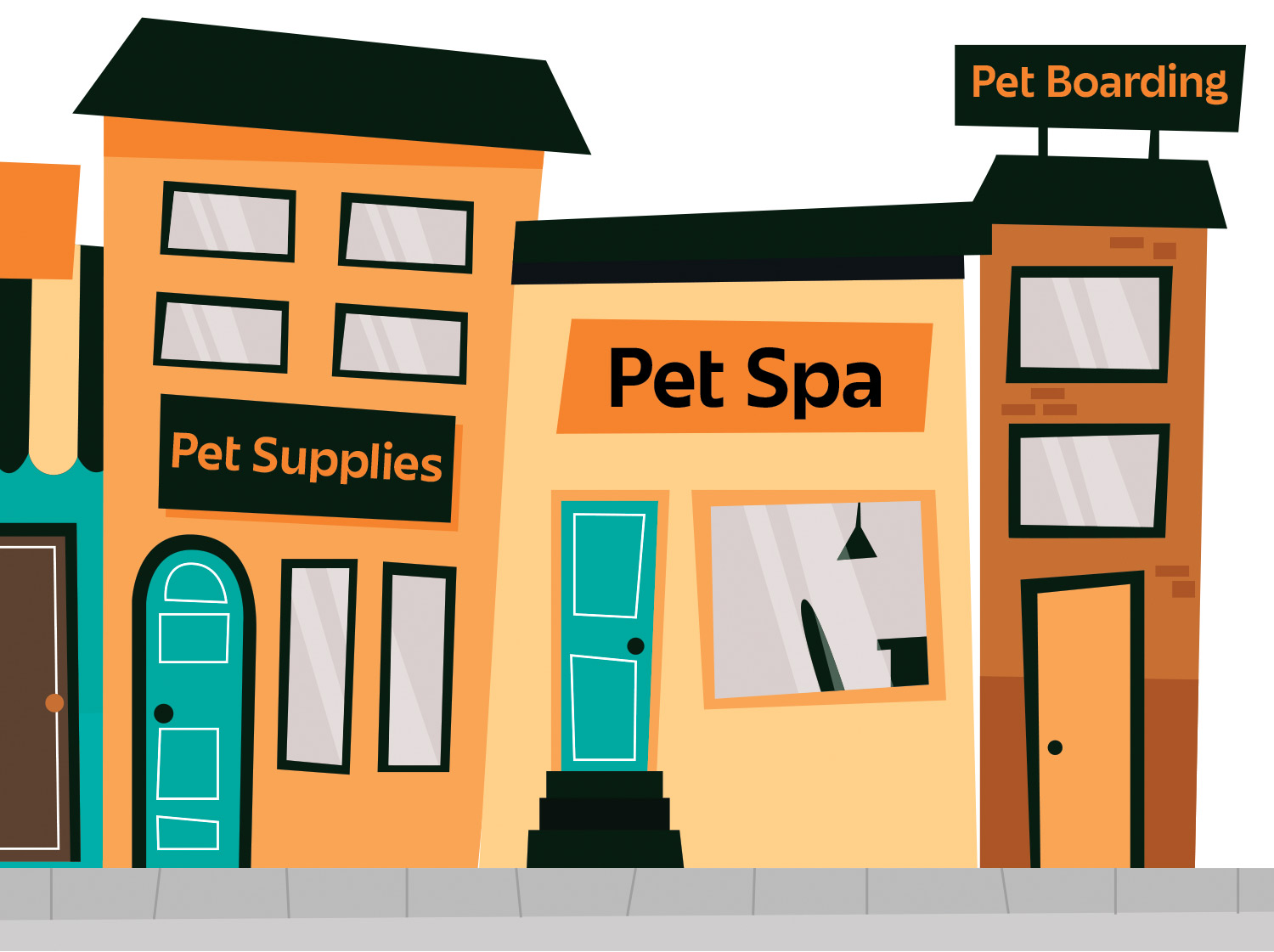
By fostering connections with fellow veterinarians, groomers, trainers and other pet-related experts, you can unlock a myriad of benefits that extend beyond your individual business. Building a network of professionals can elevate the quality of pet care offered to clients, among other benefits.
Building a network opens the door to a referral system where professionals can recommend clients to each other based on their specific expertise. For instance, a veterinarian may refer a client to a skilled pet groomer and vice versa. This not only enhances the quality of care, but also strengthens relationships within the industry.
Collaborating with other professionals provides access to diverse perspectives and problem-solving approaches. Whether it’s addressing complex health issues or finding innovative solutions to behavioral concerns, a collaborative network can be a valuable resource for overcoming challenges.
A network of professionals also contributes to building trust and credibility within the industry. Clients are more likely to trust a pet professional who is actively engaged with a network of reputable colleagues. This collective trust enhances the overall reputation of the pet care community.
Take a moment to imagine your ideal village. This will differ for every pet business due to location, size, services offered, clientele and status of the current team. Consider the following members as you build your list:
- Veterinarians and specialists
- Groomers
- Boarding and daycare facilities
- Pet sitters and dog walkers
- Pet supply stores
- Pet rescue organizations
- Local businesses (e.g., pet-friendly restaurants and parks)
- Animal behaviorists and trainers
The goal is to establish a diverse network of individuals and groups; however, being aware of potential caveats or challenges is essential. As is true of any relationship, networking relationships are no different. They may experience issues with inconsistencies in reliability, conflicts of interest, miscommunication, confidentiality concerns, unequal contributions within the network, and differences in standards or service quality.
To address these caveats, businesses should establish clear communication channels, set expectations and carefully vet professionals before collaborating. In the ideal village, communication is seamless and connected.
Building relationships with other professionals is crucial for a veterinary professional looking to create a strong network. Here are some strategies to effectively develop and nurture relationships with other professionals in the pet care industry:
- Attend local meetups, conferences, workshops and events related to pet care
- Join professional associations
- Participate in online communities
- Seek opportunities to collaborate on projects
- Support those in your network by referring clients, sharing content on social media or providing testimonials
- Host workshops, webinars or share educational content with your network that showcases your expertise and provides useful information to other professionals
- Host networking events to bring professionals together
- Stay in touch with your network
Building a solid network takes time and consistent effort. Ultimately, the goal of building a network of professionals is to create a positive ecosystem where collaboration, mutual support, and shared values contribute to the success and wellbeing of the entire pet care industry.
For example, Fido has a medical condition requiring the services of a specialist. After initial exams, a telemedicine protocol is established, and all three caregivers—the specialist, the referring veterinarian and the client—can view the patient, discuss treatment plans and implement care in real time rather than spending time traveling, emailing reports and playing phone tag.
Wearable technology can also be a partner in your village. Remote monitoring and video-enabled engagement will facilitate partners such as veterinarians, behaviorists and trainers to assess pet activity, respond to treatment, and even monitor critical health issues. It can also make communication faster and more efficient. Not all villagers need to be humans; there may be merit to adding technology to enhance pet care.
It is time to look at your village and restructure it to best serve pets, clients and business needs. A team is needed to share in the care of pets, and this team, or “village,” may contain any number of professionals and use various technologies to provide exceptional pet care, meet the demands of clients, and improve the business’s efficiency and productivity.
By fostering collaboration, sharing knowledge and building a supportive community, you can position yourself to offer unparalleled care to your clients’ pets. Embrace the power of networking and watch as your business thrives, setting new standards for excellence in pet care. Together, a village can create a community where the wellbeing of every furry friend is elevated through the collective efforts of passionate and dedicated pet professionals.


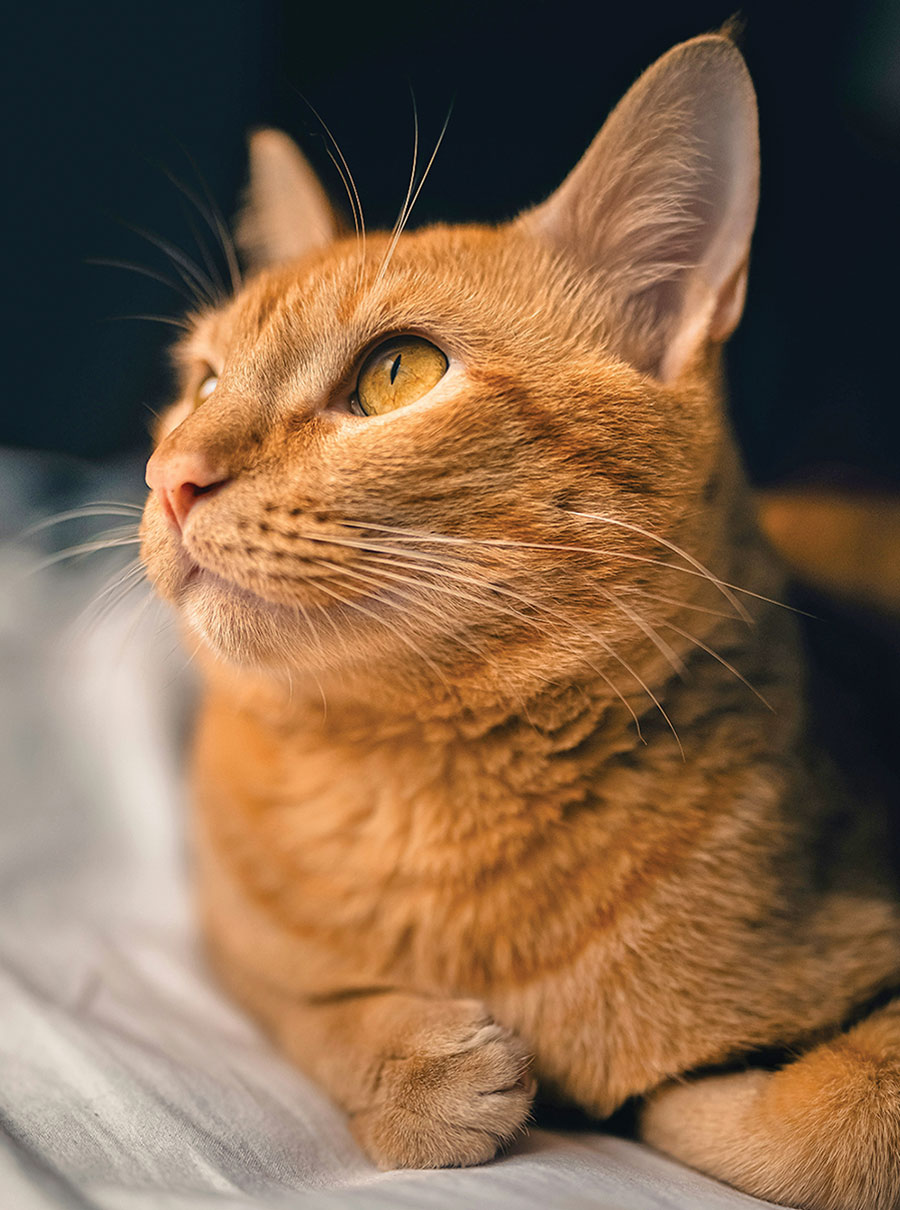
ginger cat
appreciation day.




and just like cat.



Thanks for reading our August / September 2025 issue!